With Love, Katie.

Spring has a way of whispering “reset, my darling, sweet tired mom” into our lives. And so it does in my life: finally, finally, I can be outside in the sunny days, sitting near my little one playing in the sand or just singing near a swing. Oh Lord, how grateful I am for these sunny days. The days get longer, the light feels softer, and there’s a quiet pull toward renewal. And yet, for many moms, spring doesn’t always feel slow or refreshing, but rather, they become more stressed and more overwhelmed. Most moms think that spring means more spring outdoor activities, more mess, more schedules, and more expectations.
If you’re craving a spring that feels calmer, lighter, and more supportive, this post is for you. Slow living in spring isn’t about doing less because you don’t care. It’s about choosing what actually nourishes you in this season of motherhood. Just because I love singing by the swing for 1 hour and sitting by the sand for 1 more hour does not mean this works for you, too. So bear with me to explore more fun outdoor activities for kids and moms, of course.
So let’s try a little bit of slow-living inside your home and outdoor, through simple, realistic spring activity lists that fit a realistic mom’s life.
Personal story time and why simple spring outdoor activities
I was three days postpartum when my big one asked me to go for a walk. It was the first of October, around 12 A.M., and my belly was not feeling great. But okay, let’s go for a small walk. Than it hit me, she just wants to be with me. I said: Okay, take your basket. We have an important job: you must find the most beautiful sticks, stones, pinecones, acorns, red and orange berries, nuts, and, if you want, you can then take them inside and show them to your sister. The scavenger hunt was never so beautiful and meaningful. It became our special moment.
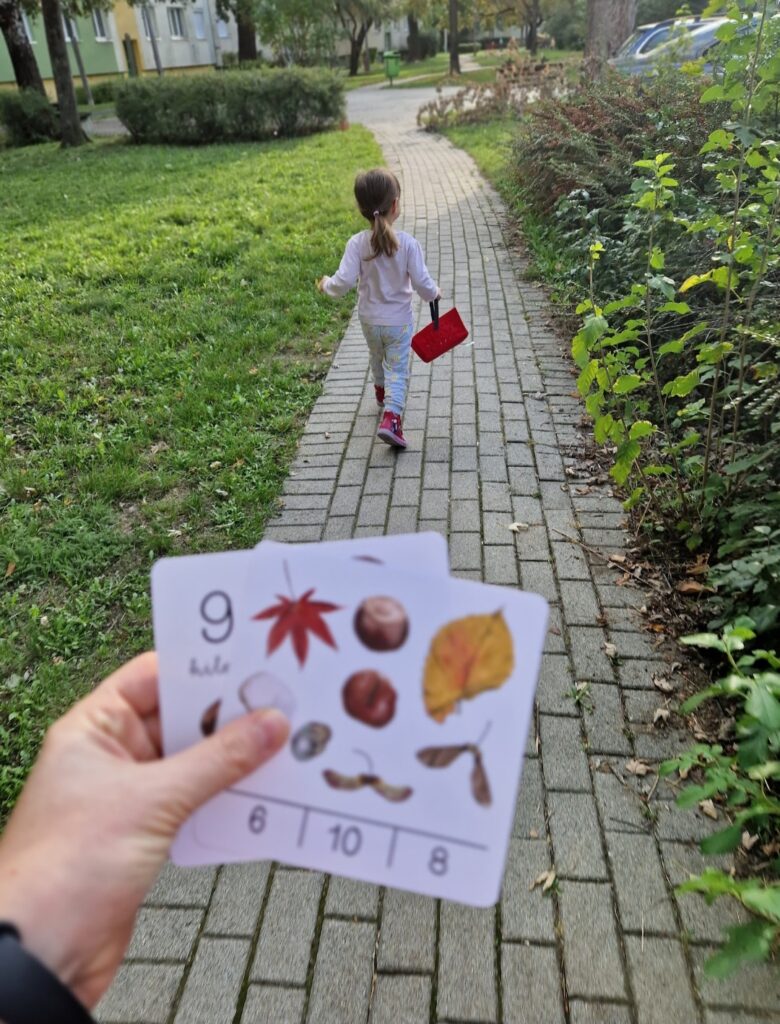
We followed this tradition on early spring days by starting the day with collecting Platanus fruit. There are no leaves yet, but we have a lot of Platanus trees around, so collecting their fruits is easy-peasy. What we really enjoy is collecting the brown fruit of the honey locust tree. We run with them, act like it is a snake, or an instrument…We continued our hunting journey counting ladybirds and firebugs, admiring the first snowdrops, etc., we love the smell of spring. Simplifying matters more than you realize, and these small choices support your well-being.
Why Spring Is the Perfect Season for Slow-Living
Spring is a natural transition point. After the contraction of winter, our bodies and nervous systems begin to open again. There’s more daylight, more movement, more life emerging, and that can feel energizing or overwhelming, depending on how we meet it. I love spring; I love the first sunshine; I love how my big daughter runs on the playground without shoes (for the last 4 years, I think she was the one opening the “barefoot” season at 17-18 degrees Celsius).
Slow living in spring helps moms bridge this transition gently. Instead of rushing headfirst into productivity and getting everything done, aka doing the spring clean and getting tired and burned out after two days, or planning 15 trips for the whole spring, slow living allows you to align with the season without burning out.
Here are some personal thoughts and a slow-living spring activity list for moms and their kids.
Slow-Living Spring Inside Activity List for Moms
While spring often invites us outdoors, some of the most powerful slow-living moments happen inside, especially for moms navigating nap schedules, school routines, and unpredictable days.
1. Open the Windows
Fresh air is one of the simplest nervous-system resets available. Opening windows allows stagnant winter air to leave and brings in light, sound, and movement. Listen to the birds, enjoy some silence. Even a few minutes can shift a room’s energy and your mood. I find it hard to sit in silence for 3-4 minutes, so when my girls are playing, I run to the window and breathe some fresh air.
2. Create One “Soft Corner.”
Instead of reorganizing your entire home, choose one small area to make feel supportive. A chair with a blanket, a candle on your nightstand, and a cleared kitchen counter. This becomes a visual cue for rest rather than responsibility.
I love having a clear kitchen; it is my refuge. I do keep a book there, so when I have a few minutes, I read a few pages. It is what it is; this is a part of my realistic motherhood journey.
3. Slow Morning and Evening Rituals
Spring mornings don’t need elaborate routines. Slow living might simply mean stretching near a window, sipping tea without scrolling, or taking three deep breaths before the day begins. Small pauses add up. Make sure you do not start your day with a warm coffee, but rather a warm cup of tea.
As evenings grow lighter, it’s tempting to push later and later. Slow living honors the nervous system by creating cues for rest: dim lights, warm showers, journaling, or quiet music. These rituals help your body feel safe enough to sleep.
The Ultimate Guide to a Slow-Living Lifestyle for Moms
4. Cook One Simple Seasonal Meal a Week
Slow living doesn’t require making everything from scratch. Choose one nourishing meal a week to prepare slowly—chopping vegetables, stirring soup, or baking something simple. Let it be grounding. If your children want to, let them help you.
So put it simply:
- Open windows daily
- Light a candle in the evening
- Clear one surface a week
- Journal slowly with a pen
- Take baths instead of rushed showers
Slow-Living Spring Inside Activity List for Kids
This list is a combination of activities for kids, toddles, but preschoolers to. For example, you can make some letters and numbers from the magnetic tiles, or build something complex with lego.
1. Open-Ended Building with (Connetix) Magnetic Tiles
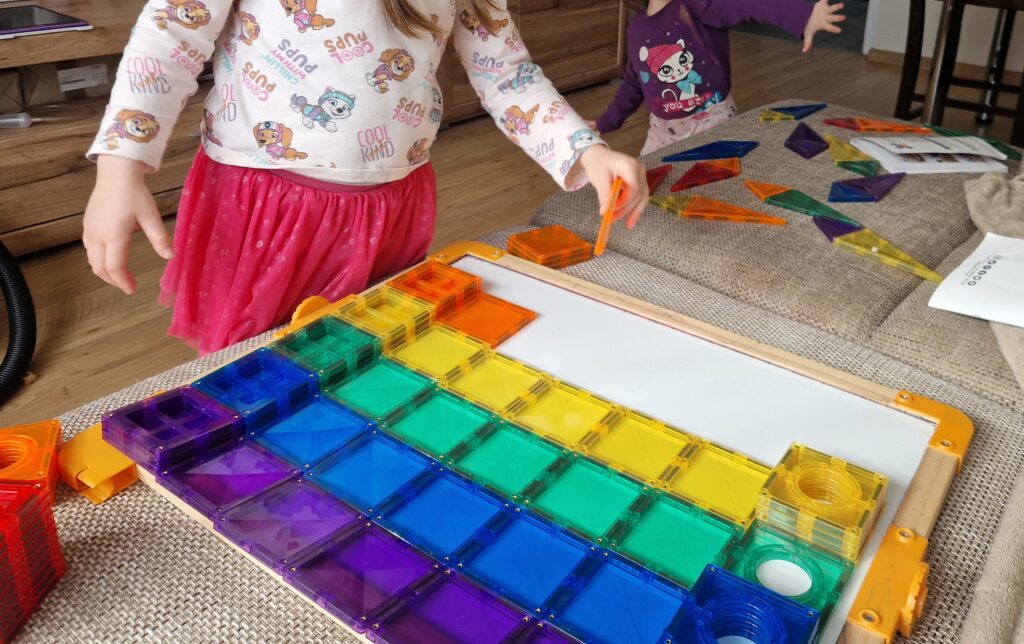
Connetix magnetic tiles are truly a game-changer — for toddlers, preschoolers, and even older children. They support open-ended play, spatial awareness, creativity, and problem-solving. Kids can build houses, towers, roads, animals, or abstract shapes. The beauty of magnetic tiles is that there’s no “right” way to play.
Small children enjoy stacking and connecting, while bigger kids design complex structures. It grows with them, and that’s very Montessori in spirit. My 2-year-old builds castles and homes for her Duplo figures, while my bigger one loves making interesting shapes.
2. Mystery Bowl: Guess What’s Inside
This is a beautiful sensory and cognitive game. Take a bowl and hide 8–10 small household objects inside (a spoon, a pinecone, a toy car, a key, a sock, a wooden block). Cover the bowl with a cloth. One by one, children reach inside without looking and guess what they’re touching.
This activity supports tactile exploration, vocabulary, memory, and imagination. Children love the mystery and surprise element and it requires almost no setup.
3. Creative LEGO Duplo Play with Yarn Adventures
LEGO Duplo is perfect for open-ended, imaginative play. Add yarn to the animals or figures to create reins, scarves, or ropes. Children can take animals on “rides,” build funny structures, colorful towers, or create shapes and little worlds. This blends construction play with storytelling, which is very Waldorf-inspired.
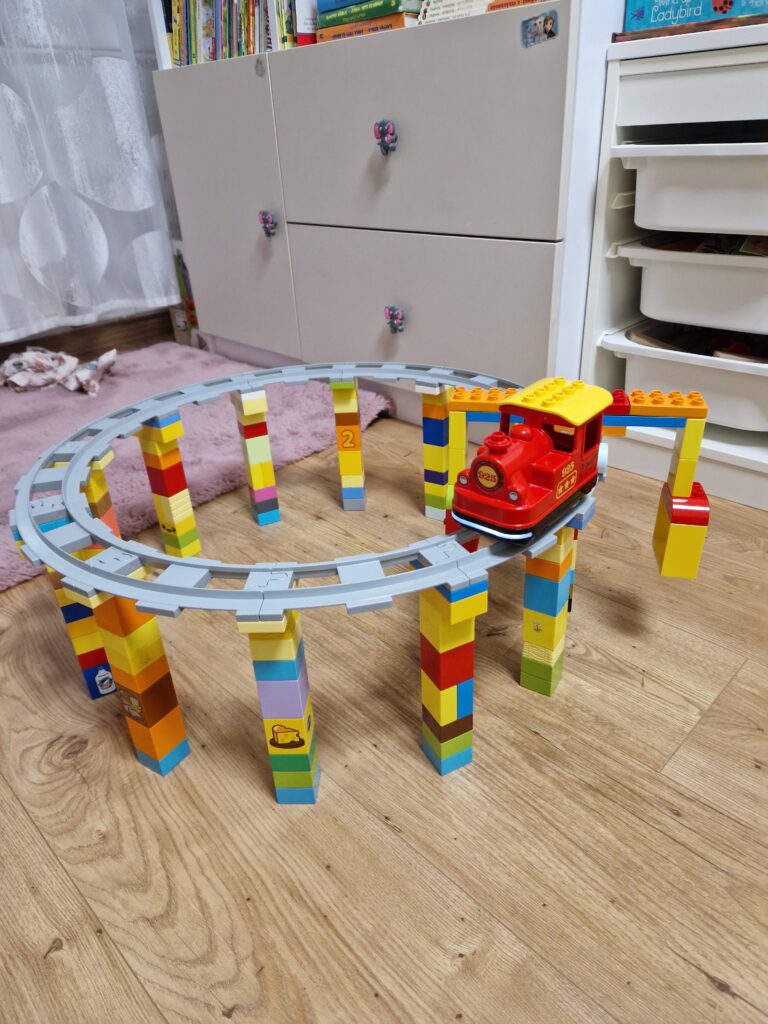
Let the creations be silly, colorful, and a little chaotic.
4. Seasonal Nature Tray (Indoor Nature Play)
Bring spring indoors. Create a small tray with natural elements: stones, leaves, twigs, shells, pinecones, dried flowers. Children can sort, build small worlds, or simply explore textures.
We love coloring stones and leaves, making stamps from flowers.
Montessori philosophy values real-world materials, and Waldorf encourages connection to nature. This tray becomes a calm, grounding play invitation that can be revisited again and again.
5. Water Play in a Bowl or Sink
Water play doesn’t have to wait for summer. Fill a bowl or the sink with water and add cups, spoons, funnels, and small containers. Pouring, scooping, and transferring water support fine motor skills, focus, and sensory regulation. It’s also deeply calming for many children. Place a towel underneath and let it be messy in a contained way.
There is another version of it. I often give them rice (I have some old rice; 3 years ago, my bigger one started playing with it). She makes trays with a wooden spoon for her Duplo animals and uses big pasta to build a small home on the rice. They get very creative when it comes to messiness.
6. Simple Art with Natural Materials
Offer crayons, beeswax crayons, watercolor paints, or chalk. Add natural materials like leaves, sticks, or flowers for texture and inspiration. Waldorf philosophy values process over product — so the focus isn’t on making something “pretty,” but on experiencing color, movement, and creativity.
Let kids paint freely, or press leaves into paint to create patterns.
7. Practical Life: Baking or Simple Food Prep
Montessori emphasizes practical life skills. Let children help with simple kitchen tasks: washing fruit, stirring batter, shaping dough, tearing lettuce, or arranging snacks.
On rainy days, baking something simple together (like muffins or bread) becomes both an activity and a shared ritual. Children feel competent and included, which supports confidence and calm. I have a very good pizza recipe. Add 500 g flour + yeast, 400 g water, salt, and oil, and stir it with a spoon. Then, after half an hour, we pour it into a pizza tray, and they can add pizza pasta with a spoon and make their own pizza from the beginning. The pizza is very fluffy.
8. Storytelling with Wooden Figures or Simple Toys
Instead of loud, flashing toys, offer wooden figures, animals, or simple dolls. Invite children to create stories: a small family, a forest scene, a journey. Storytelling play supports emotional processing and imagination. Waldorf education values storytelling as a way for children to make sense of the world. You can join in gently or simply observe.
9. Blanket Fort or Cozy Corner Creation
Use blankets, chairs, cushions, and cloths to build a simple fort or reading nook. This becomes a safe, cozy space for rest, reading, or quiet play. Creating small “worlds within the world” helps children feel grounded and gives them a sense of agency over their environment. Add books, soft toys, or a little lamp for atmosphere.
10. Quiet Time with Puzzles or Matching Games
Simple puzzles, matching cards, or memory games offer focus and calm on rainy days. Choose materials made from wood or thick cardboard for a more tactile, grounded experience. Montessori-inspired puzzles often isolate one skill (shape, size, pattern), helping children develop concentration without overstimulation.
However, the list is never-ending. Please get creative: take care of your plants, let them help you. Make sure you let them get messy and let them pain their own hand or fingers.
Throw down some pillows, play hot lava. Create an indoor obstacle course with simple rules that require participants to crawl or jump.
And listen, why not teach your children some sewing basics? Maybe when they are about 7-8 years old, learn to crochet together.
Slow-Living Spring Outside Activity List for Moms
Spring naturally draws us outdoors, of course it does! I really enjoy this part of spring. However, no pressure and no stress about it.
1. Short, Sensory Walks
You don’t need long hikes or step goals. A slow walk around the block, noticing blossoms, birds, and sunlight, can be deeply regulating. Let your pace match your breath.
Make sure you forget your phone and headphones and pay attention to nature.
2. Barefoot Moments
Standing barefoot on grass or soil, even briefly, can ground your body and calm overstimulation. I love to practice this on the playground, with my girls. This practice, often called earthing, is simple, free, and surprisingly soothing for tired nervous systems.
3. Sit in the Sun Without an Agenda
Spring sun supports circadian rhythm and mood. Sit on a bench, steps, or blanket without multitasking. Let the warmth reach your face. You don’t need to “do” anything to deserve this moment.
Messy, imaginative, high-energy play isn’t just fun—it supports their physical development, creativity, and overall wellbeing.
- Sit in the sun
- Walk without headphones
- Touch the ground
- Notice seasonal changes
- Breathe deeply outdoors
4. Bring Kids Along
Children thrive outdoors. They literally need fresh air every day.
They love the freedom, sensory input, and little adventures that come with riding bikes, walking nature trails (which are so amazing for their imagination), climbing (wherever they can, but a small playground is enough too), splashing in puddles (literally you shoud go outside on a rainy day, the happiness on my girls face is priceless after a rainy night), building forts, digging in the dirt, and searching for insects (my girls love counting ladybirds).
Outdoor play is powerful for both body and mind. Being in nature helps children move their bodies, regulate their nervous systems, and feel calmer and more grounded. Even short outdoor moments—tummy time on a blanket, rolling a ball, a quick nature walk, or a bike ride—add up. You don’t need perfect weather or a perfect plan; fresh air is beneficial even on cold or rainy days. And yes, more outdoor time often means more mess… but more mess usually means more joy.
One of the biggest traps for moms is feeling like we need constant activities, programs, playdates, or perfectly planned outings. Slow living with kids doesn’t require crafts, lessons, or curated experiences. Children don’t need entertainment—they need space to explore. Let them collect sticks and stones, dig in the dirt, lie on the grass, and follow their curiosity.
Presence matters more than structure. Simplify where you can. Sometimes, the most nourishing thing you can offer your child is time outside, freedom to play, and a calm, present parent by their side. And my sweet momma, if you are outside, your nervous system will appreciate it.
So this part takes me to the next chapter:
Slow-Living Spring Outdoor Activity List for Kids
Now, let me tell you, writing this section was my favourite part of the whole blog post. I am a tired, overwhelmed mom, just like you, and I crave simplicity. Simplicity to give to my children: they don’t need Montessori-perfect lifestyle, nor Waldorf-perfection, just my presence. And in nature, I can give them this. However, here are some bonus ideas you can mix in with the list below: rock balancing, leaf boat racing in puddles, nature mandalas (creating patterns from collected natural materials), and sensory walking barefoot on grass or sand.
These fun outdoor activities for kids get them moving, using their senses, and exploring the world around them—all of which support physical, emotional, and cognitive growth.
And listen, we do not have our own yard, however, we managed to make a small fairy house somewhere close to our flat. All you need is a green place and a tree.
20 Fun Outdoor Activities for Kids
1. Nature scavenger hunt
Give your child a short list (leaf, rock, flower) and let them explore while searching. You can make it more specific by telling them to collect 5 green oak leaves.
2. Leaf rubbing art
Place paper over leaves and rub with crayons to reveal beautiful patterns. I did these in my childhood, your children deserve to know how amazing this activity is.
3. Build a fairy or stick house
Use twigs, leaves, and stones to create tiny homes for imaginary creatures, like fairies. Be creative: if you have your own garden, consider building with some Duplo elements as well. Use paint to paint the home of fairies, make it magical and colorful.
4. Mud kitchen play
Old pots, spoons, and dirt become hours of creative, messy “cooking.” If you don’t have your own place, use a playground, take some changing clothes, and let them enjoy the mess.
5. Nature collage
Glue leaves, petals, and small finds onto paper to make a natural artwork. Make sure let them be creative, they can even build a cute man, a car, everything is possible.
6. Rock painting
Paint stones and use them as garden decorations or story characters.
7. Gardening together
Let children plant seeds, water plants, and dig in the soil. Let them get dirty. It really soothes their nerves.We have a small garden in front of our flat, we take care of it.
8. Nature journal
Draw what you see outside or press leaves and flowers onto pages. Pressing flowers is by far one of our favourite spring activities. They press flowers for teachers, grandparents…
9. Outdoor sensory bin
Fill a container with sand, soil, pinecones, or water for hands-on play. Let them get dirty. It is, again, my boring…advice.
10. Bird watching
Set up a feeder and quietly observe which birds come to visit.
11. Water play
Splashing, pouring, and watering plants on warm days builds motor skills.
12. Bug hunt
Gently look under rocks or logs and observe insects in their natural home.
13. Obstacle course
Use sticks, stones, and logs to create simple jumping and climbing challenges.
14. Nature photography
Let kids take photos of flowers, clouds, or bugs they find interesting.
15. Build a bug hotel
Stack twigs, leaves, and bark to create a safe space for insects.
16. Tree climbing (with supervision)
Builds confidence, balance, and body awareness.
17. Nature walks
Slow walks where children can stop, touch, and notice small details.
18. Fly a kite
A fun way to enjoy wind, open space, and movement together.
19. Star gazing
Lie on a blanket and watch the sky, spotting stars or the moon.
20. Twig weaving or nature garlands
Thread leaves and small sticks onto a string for simple crafts.
Balancing Inside and Outside Slow Living as a Mom
The beauty of slow living is flexibility. Some days call for indoor softness; others invite fresh air and movement. The goal isn’t balance in the perfect sense, it’s responsiveness.
Pay attention to what your body needs:
- Overstimulated? Choose a quietplace inside. If children are not quite, but there is sun outside, choose a soft game: 10 stick and 10 stone in one bowl…
- Restless? Choose gentle movement outside. Go for a ride or a run.
- Exhausted? Choose rest, not productivity. Television is not from devil, if you choose to use it mindfully. By now, you know my girls are not raised screen-free; however, they are not allowed to watch TV during the day when there is sunlight. If there is rain, they can watch 2 parts of Bing, or maybe 3 parts of Bluey.
Slow living respects that motherhood is dynamic. Your needs change daily—and that’s okay.
Slow living is often misunderstood as disengagement or lack of ambition. In reality, it’s deeply intentional. It requires awareness, boundaries, and the courage to move against a culture that glorifies busyness.
For moms, slow living is an act of protection:
- Protection of energy
- Protection of mental health
- Protection of connection—with yourself and your family
It’s not about doing less for others. It’s about not losing yourself in the process.
A Spring That Feels Good Again
Slow living in spring isn’t about creating an aesthetic life. It’s about creating a life that feels livable. One that supports your nervous system, honors your energy, and allows you to be present without constant pressure.