With Love, Katie.
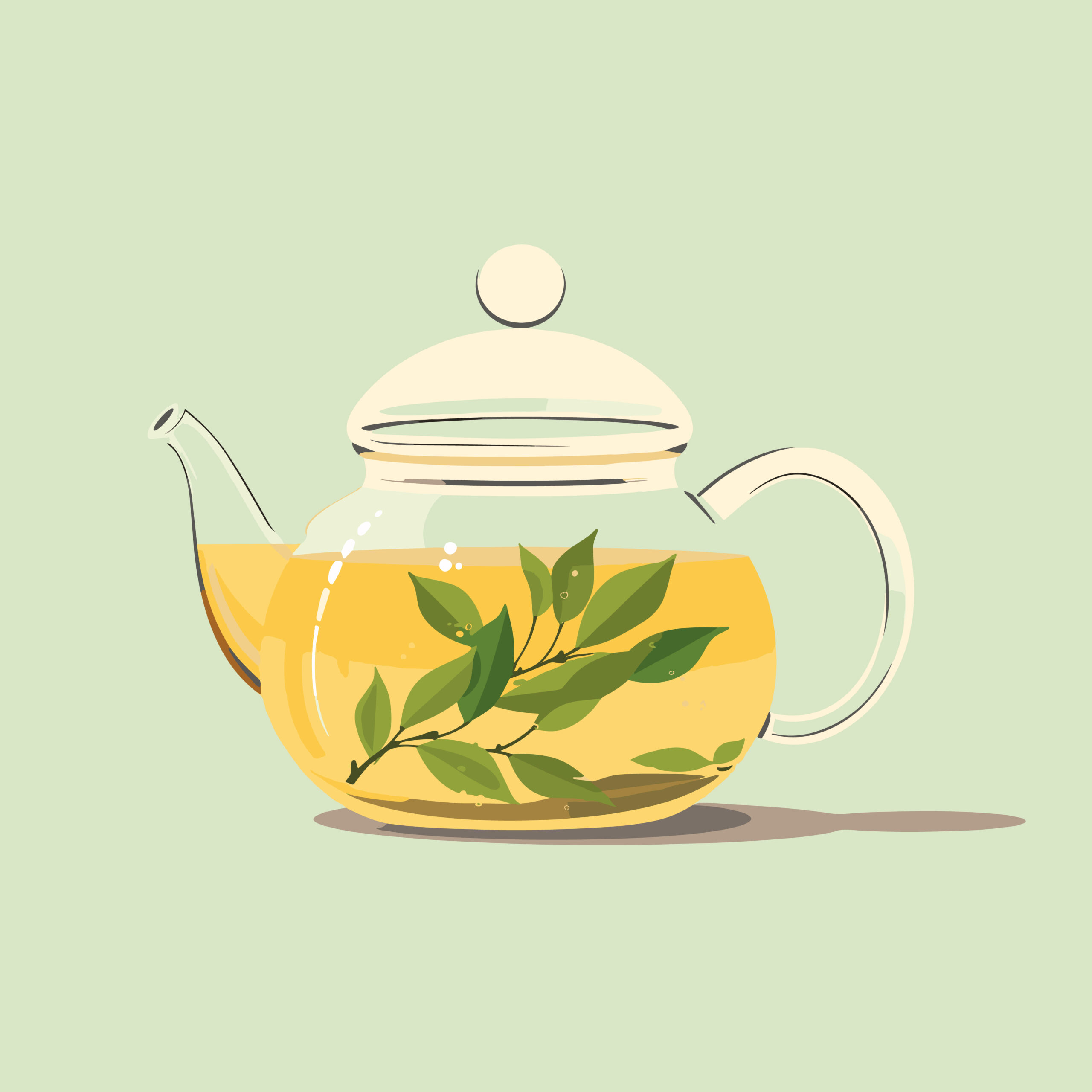

Living in tune with your cycle, aka cycle-syncing, should be something natural, just like drinking herbal teas. However, drinking some hormone-balancing teas during each phase… well, that too was very natural years ago. Listen, women lived in deep rhythm with the moon, the seasons, and their bodies. The menstrual cycle was understood as a source of power, creativity, intuition, and renewal. And if there was a problem, women tried to address it naturally with herbal teas.
Now, before you feel overwhelmed, choose 2-3 teas and make sure you adore them. Make sure there is at least one tea your children love so you can have dinner tea time with them. Simplify motherhood where you can: your children need attention, and a good tea party is a good chance to give them yours.
Hormone-balancing teas can beautifully support each menstrual phase. These simple plant infusions offer more than comfort; they gently nourish your hormones, soothe your nervous system, and connect you to your body’s natural rhythm.
Work, school, and social life all follow a 24/7 schedule. There’s no built-in rest, no allowance for energy dips, emotional waves, or God forbid, hormonal changes. So women learn to disconnect from their bodies just to keep up. It is very interesting, since I realized how only a good, healthy, nourishing breakfast can bring us closer to our bodies.
We grab coffee instead of resting and ignore PMS instead of asking what our body needs. It is because we’ve been taught that slowness is weakness and that periods are a problem. So yes, over time, this wisdom faded.
Now, if you are interested in getting back to yourself or getting to know your body better, cycle-syncing is all you need. You will learn to slow down and get close to nature, too.
Here’s a slow, loving guide to herbal teas for each phase. And please, do not feel overwhelmed: I know all you need in your life is something simple, not another task on your never-ending list, so please, choose one tea/phase and drink it with love.
I hope these hormone-balancing teas will help you get a little bit closer to nature, too.
1. Menstrual Phase (Days 1–5)
Your inner winter: it is time to rest, release, and restore.
Your menstrual phase is your inner winter, a sacred pause. It is the time you need rest and peace, the phase where you should ask for help to make sure you give your home, aka your body, the restoration it needs. Energy is naturally low, emotions can feel tender or introspective, and your intuition is heightened.
Sexuality during this phase turns inward, so you may crave emotional safety, tenderness, or simply closeness without performance. Restoring touch, warmth, and self-soothing deepen trust with your body rather than desire for outward expression.
Your skin may feel more reactive now, with possible breakouts or dullness. Keep skincare gentle and minimal: use light exfoliation only if it feels good, apply calming masks, use barrier-repair creams, and stay well hydrated. Avoid harsh activities: think soothing, not fixing.
Food should feel grounding and warming. Soups, stews, cooked vegetables, bone broth, lentils, root veggies, and healthy fats help replenish iron and minerals. Dark chocolate, dates, and warming spices like cinnamon or ginger can feel deeply nourishing. Supplements like magnesium, iron (if needed), and omega-3s are especially supportive now.
Movement should be slow and intuitive: maybe some gentle yoga, Pilates, stretching, or simply resting. Even doing nothing is productive here. The most important lesson of this phase? You need rest.
1. Ginger tea
A warming, anti-inflammatory root that helps reduce menstrual cramps, bloating, and digestive discomfort. Ginger also stimulates circulation, helping to ease muscle tension and support detoxification as your body sheds its lining.
2. Raspberry leaf
Known as a uterine tonic, raspberry leaf helps tone and strengthen the uterus, making cramps less intense. It’s rich in iron and minerals, which support energy and recovery during bleeding days.
3. Chamomile
A gentle, calming flower that eases irritability, cramping, and anxiety. Chamomile supports digestion and relaxes the nervous system—perfect for slow evenings and heavy days.
4. Cinnamon tea
Naturally warming and soothing, cinnamon helps regulate blood sugar and reduce inflammation. Its comforting scent also brings emotional coziness during vulnerable days.
2. Follicular Phase (Days 6–13)
Your inner spring: energy returns and creativity blooms, finally.
After bleeding, energy slowly returns, curiosity awakens, and optimism starts to bloom. Mentally, this phase often brings clarity, creativity, and a sense of “new beginnings.” You may feel more social, open, and motivated, ideas flow more easily now.
Desire awakens softly now, often as curiosity rather than intensity: flirting with ideas, sensations, and possibilities. Sexual energy feels playful and exploratory, best met with lightness and openness rather than pressure.
Your skin typically starts to brighten during this phase. It’s a great time to gently exfoliate, support cell renewal, and introduce lightweight serums or vitamin C. Your skin is more resilient, so it responds well to glow-boosting routines.
Food-wise, think fresh, light, and rebuilding. Focus on protein to support rising estrogen, time to ear some eggs, fish, tofu, legumes, alongside leafy greens, sprouts, berries, and fermented foods. Supplements like B-complex vitamins, zinc, and probiotics can support hormone balance and digestion.
This is an ideal phase to increase movement. Try Pilates, strength training, brisk walks, or try something new. Your body adapts quickly now, so learning new skills or starting fresh habits feels natural.
Set intentions, make plans, start projects. You’re not meant to finish everything yet, just begin and write down everything is on your mind.
5. Nettle tea
Packed with vitamins and minerals (especially iron, calcium, and magnesium), nettle tea helps replenish nutrients after menstruation. It supports estrogen metabolism and gently detoxifies, helping your body prepare for ovulation.
6. Green tea
Rich in antioxidants and mildly stimulating, green tea supports focus and clarity. Its natural caffeine content gives a clean, gentle energy boost without causing a cortisol spike, ideal for creative mornings. I will tell you honestly, sometimes I drink green tea 15 days/ month, as I simply love its taste.
7. Lemon balm
This citrus-scented herb is calming yet uplifting, helping to ease any lingering tension from your menstrual phase. It supports digestion, mood balance, and cognitive clarity—beautiful for a fresh start.
8. Rose tea
Delicate and floral, rose tea opens the heart and soothes emotional heaviness. It also supports liver detox and hormone balance, making it a soft, romantic choice during your rising phase.
3. Ovulatory Phase (Days 14–16)
Your inner summer: vibrant, social and of course, full of life.
It is time for you to feel radiant, expressive and magnetic. Energy peaks, confidence rises, and communication feels effortless. Emotionally, you may feel more outgoing, connected, and seen. This is often when you feel most “yourself” in the outer world.
Sexual desire often increases now: not just physically, but emotionally and energetically. You may crave connection, eye contact, flirtation, or creative self-expression. This is a beautiful time to explore pleasure without guilt, whether through partnered intimacy or self-connection. Listening to your body’s cues builds trust and deepens body awareness
Your skin is usually at its best now: clear, glowing, and balanced. Keep routines simple but effective:hydration, antioxidants, SPF, and maybe a glow-enhancing mask. Less is more when your skin is already thriving.
Nourish this phase with fresh, colorful foods. Raw or lightly cooked vegetables, salads, berries, healthy fats, and high-quality protein support estrogen metabolism. Think liver-loving foods like broccoli, arugula, lemon, and flaxseeds. Supplements like omega-3s, zinc, and antioxidants can support inflammation balance.
Movement can be more dynamic now. This is the time for strength workouts, dance, hiking, or even HIIT — if it feels good. Social movement can feel especially nourishing.
The key lesson of this phase? Express, connect, negotiate, and share your ideas. Let yourself be visible.
9. Peppermint tea
Cooling and refreshing, peppermint soothes digestion, supports clear thinking, and calms hormonal headaches. It’s especially helpful if ovulation causes heat, tension, or bloat. I adore it; if my tummy hurts or I feel bloated, it is the first thing I have after my breakfast.
10. Hibiscus tea
Vibrant and tart, hibiscus is packed with vitamin C and antioxidants. It supports liver detox (helping to clear excess estrogen), and its cooling properties are perfect for warm summer-like days in your cycle.
11. Dandelion root tea
A gentle liver tonic that aids in the breakdown and removal of excess hormones. Dandelion root also supports digestion, reduces bloating, and enhances natural detoxification processes.
12. Tulsi (Holy Basil)
A powerful adaptogen that helps regulate stress hormones, Tulsi supports emotional and physical resilience. It balances cortisol and estrogen while calming your nervous system, ideal for high-energy days that also need grounding.
4. Luteal Phase (Days 17–28)
Your inner autumn: it is time to slow down and turn inward.
Well, listen honey, energy gradually declines, sensitivity increases, and emotions may deepen. This phase asks for honesty, boundaries, and self-compassion. You may feel more critical: not as a flaw, but as a signal of what needs adjustment.
Sexuality becomes more selective and emotionally driven, often craving depth, reassurance, and authenticity. Intimacy feels most fulfilling when it’s honest, slow, and aligned.
Skin may become oilier or more prone to breakouts now. Focus on balancing care: gentle exfoliation, clay masks if needed, calming ingredients like niacinamide or chamomile. Prioritize sleep, your skin repairs deeply at night.
Cravings often increase, and your body genuinely needs more nourishment. Focus on complex carbs (sweet potatoes, oats, quinoa), magnesium-rich foods, healthy fats, and steady protein. Reduce sugar spikes. Supplements such as magnesium, vitamin B6, and evening primrose oil can help ease PMS symptoms.
Movement should shift toward grounding: Pilates, barre, yoga, long walks, or slower strength training. Avoid pushing through exhaustion.
All that matter is to listen closely to what no longer feels aligned. Your body is preparing you for rest, so honor that rhythm.
13. Chasteberry (Vitex)
Known for its hormone-balancing effects, Vitex supports progesterone production and reduces PMS symptoms like breast tenderness, mood swings, and irritability. Best used consistently over time for long-term cycle support.
14. Lavender tea
Deeply calming and aromatic, lavender tea helps soothe anxiety, tension, and irritability. Its gentle floral scent promotes relaxation and emotional steadiness—especially needed as you approach menstruation.
15. Licorice root
A sweet and nourishing adrenal tonic that helps regulate cortisol and support hormonal balance. It’s particularly helpful for fatigue and blood sugar dips—but should be avoided if you have high blood pressure.
16. Passionflower
A powerful nervine that supports sleep, reduces anxiety, and quiets an overactive mind. It’s beautiful for the emotional sensitivity of the luteal phase and helps prepare the body for deep, nourishing rest.
Some personal thoughts
Herbal tea is more than a drink; as a mom, let me tell you, it could be your 5-minute silent time. It’s a moment of presence, a way to reconnect with your body and the earth. You don’t need to drink all the right teas at the perfect time, just make sure you dont add a new cup of coffee and try to support your body a little bit.
Just choose one that feels good, and let it become a ritual of rhythm, rest, and gentle support.
As for me, I choose lemon balm and peppermint a lot, and I help my menstrual cramps with some ginger tea and raspberry leaf tea. I also drink a lot of green tea, sometimes randomly, not only in the follicular phase.