With Love, Katie.
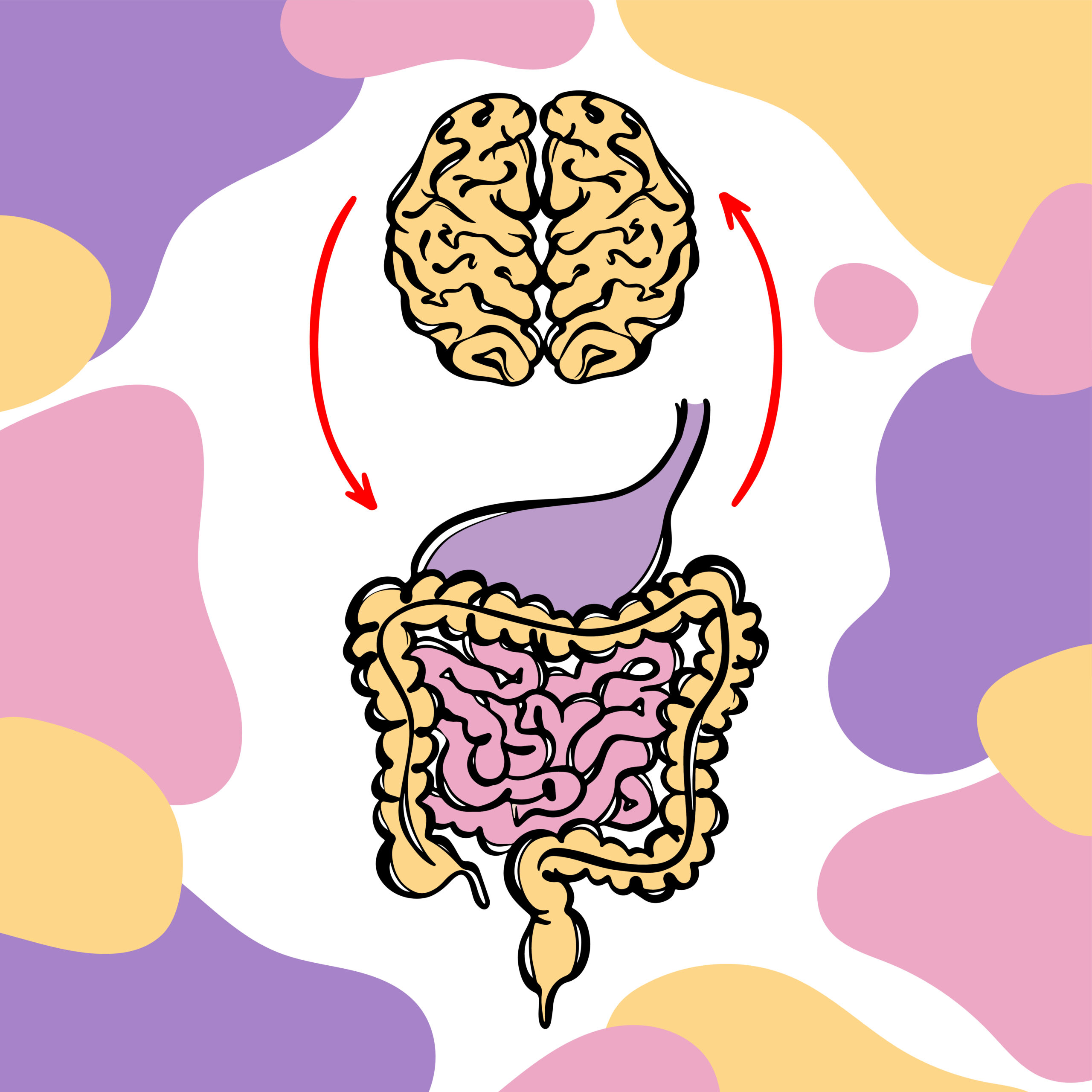

Your gut and your gut’s microbiome are more than just digestion: they are the center of your immune system, hormone balance, mood, and energy. When your gut feels off, everything else tends to feel off, too. But the good news? You can begin to support it with small, natural shifts that work with your body, not against it.
Recently, researchers started paying a lot of attention to the so-called Vagus Nerve. And when I say a lot of attention, you have to imagine that the number of publications about this topic has immensely increased. The vagus nerve is one of the longest nerves in our body, and it plays a big role in gut-brain communication. (Listen, this might sound a little bit scientific, but hey, let’s not forget that I was a researcher a few years ago and neurology was my field.)
Gut-brain communication
The Vagus Nerve is the longest cranial nerve in the body, running from the brainstem through the neck and down to the abdomen. It is a key part of the parasympathetic nervous system, often called the “rest and digest” system, and it helps regulate many unconscious body functions. Its main role is to control the calming side of the nervous system: slowing heart rate, supporting digestion, and promoting relaxation.
Beyond that, the vagus nerve plays a role in inflammation control, gut-brain communication, mood regulation, and even immune system response. It even influences your vocal tone, breathing patterns, and the gag reflex. When the Vagus Nerve is well-toned, we’re better able to manage stress and bounce back after challenges—a concept known as vagal tone.
You can stimulate the Vagus Nerve naturally through simple, daily practices that are easy to do at home or at work. Just take a few deep belly breaths, do some cold exposure (such as a splash of cold water on the face), or simply try humming, chanting, singing, and gargling.
Other gentle methods include yoga, meditation, social connection, and even laughter: all of which help activate this calming nerve and support emotional and physical resilience (1, 2, 3).
Here are 5 holistic gut-loving tips for women who want to feel better, and more in tune from the inside out.
Eat Fermented Foods
When we think about health, we often think about what we can cut out. But sometimes, true healing comes from what we add in—from the nurturing, living foods that quietly rebuild us from within. Some of the key probiotic strains naturally present in fermented foods include:
-
Lactobacillus acidophilus: Supports digestion and immune function, helps reduce bloating and gas.
-
Bifidobacterium bifidum: Strengthens gut lining, helps nutrient absorption, supports overall microbiome diversity.
-
Lactobacillus plantarum: Found in fermented vegetables, it protects gut health and improves immune resilience.
-
Saccharomyces boulardii (in some ferments like kefir): A friendly yeast that protects the gut during times of stress or antibiotic use.
Fermented foods like kefir, sauerkraut, kimchi, tempeh or coconut yogurt are rich in natural probiotics—the good bacteria that help balance your gut flora. They support digestion, reduce bloating and even boost your mood. Inside your intestines live trillions of bacteria, fungi, and other microorganisms, collectively known as your gut microbiome.
Digestion flows naturally, inflammation is kept in check, your immune system stands strong, hormones find their natural rhythm, and your mood stabilizes (and that is because your happy hormone, serotonin, is made in your gut (3)).
But when your gut flora is imbalanced—after antibiotics, stress, poor diet, or illness—you might experience bloating, fatigue, hormonal issues, skin flare-ups, or emotional ups and downs. This is where fermented foods come in. They gently repopulate your gut with good bacteria like Lactobacillus and Bifidobacterium, restoring harmony over time.
This is a short list for some fermented foods:
Kefir
A fermented milk drink (also available in coconut-based if dairy-free) that contains over 30 strains of good bacteria and yeast. Perfect for sipping, adding to smoothies, or using in overnight oats.
Sauerkraut
Raw, fermented cabbage that’s tangy, crunchy, and rich in fiber and probiotics. Home-made versions are more potent than store-bought pasteurized kinds. Amazing breakfast option too.
Kimchi
A spicy Korean side dish made from fermented vegetables like napa cabbage, radishes, and spices. It’s energizing, full of vitamins, and deeply nourishing for your gut flora.
Coconut Yogurt
A plant-based alternative that’s creamy, tart, and rich in live cultures, perfect for dairy-free lifestyles. I really love this type of yoghurt, so you might wanna give it a try even if you are not vegan.
Prioritize Sleep
Like the number one rule in a holistic lifestyle and slow-living journey…Your gut heals at night, so poor sleep throws off your microbiome, messes with your hormones, and increases inflammation. The best thing you can do is sleep enough and sleep regularly.
Try going to bed and waking up at the same time each day, even on weekends. This supports your circadian rhythm, which in turn supports gut function, metabolism, and energy. The circadian rhythm it is so important, not only for babies, but for us, adult too.
🌙 “Rest is not a luxury; it’s part of your healing.”
Stay Hydrated
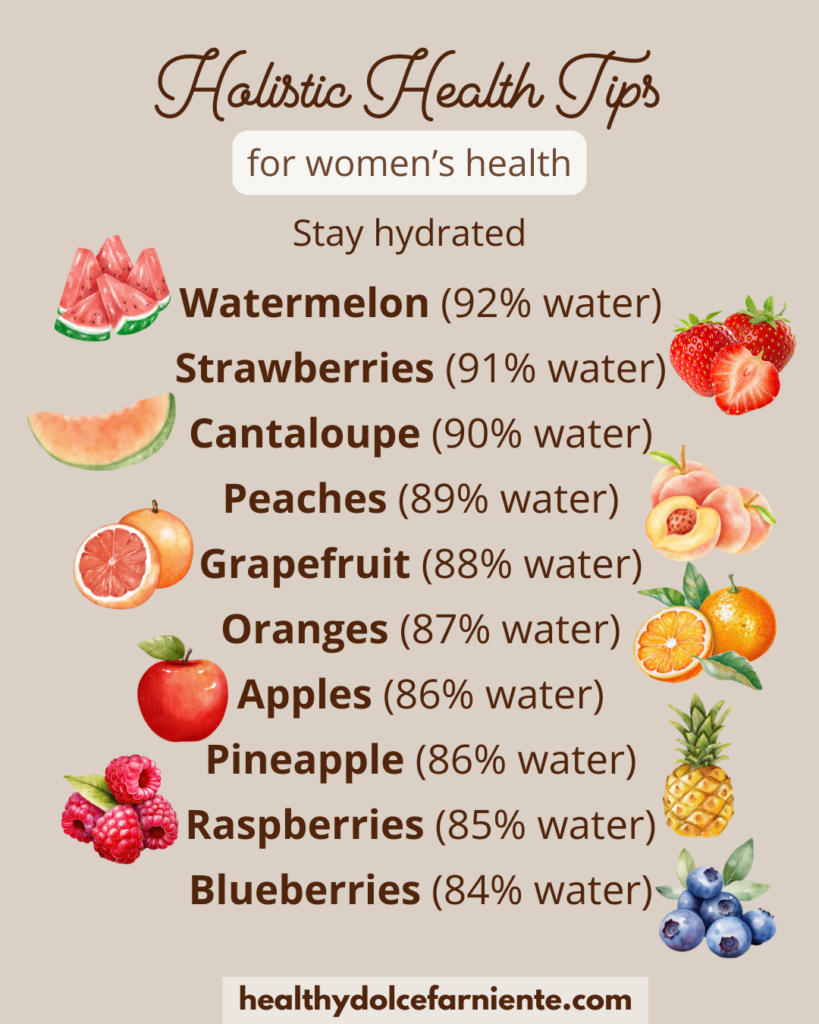
Hydration is key to healthy digestion and detox. Without enough fluids, your gut slows down, toxins can build up, and bloating increases.
Drink warm or room-temperature water throughout the day. Add a pinch of mineral-rich salt or squeeze in lemon to support absorption. Herbal Teas like fennel, ginger, or peppermint are also gentle gut soothers.
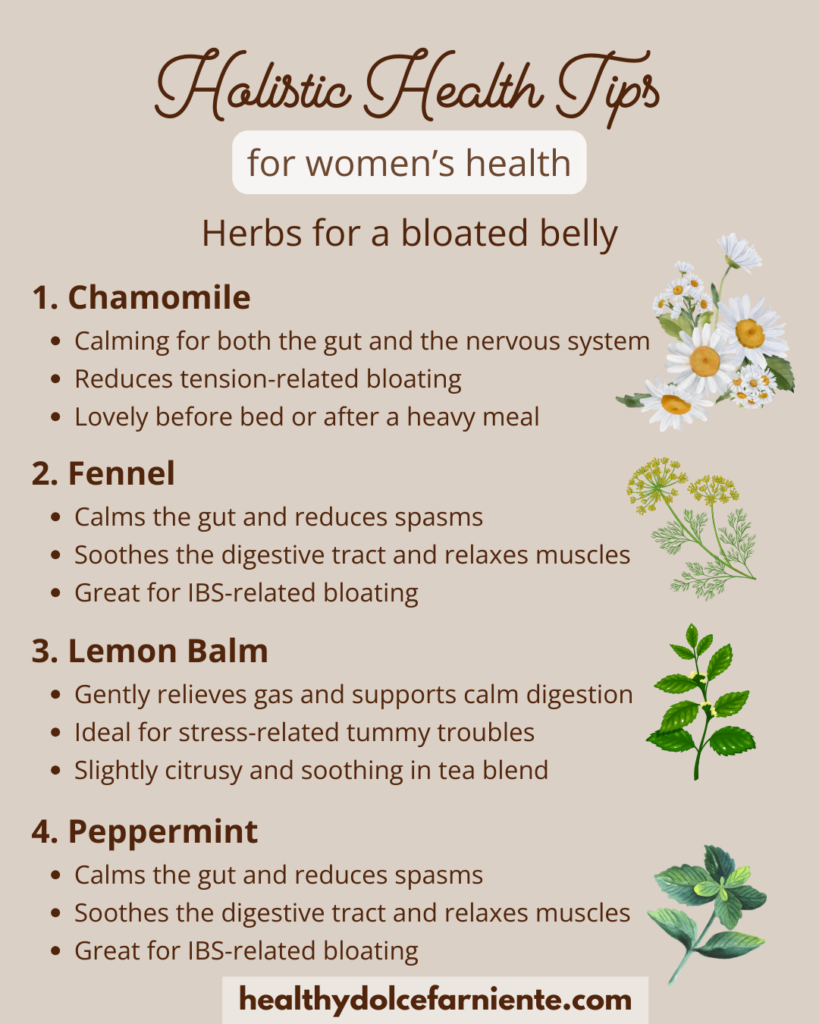
You might even wanna start your day with a warm cup of water or herbal tea. While you sleep, your whole body and cells get thirsty, so make sure first thing in the morning, you don’t check your phone but maybe give a kiss to your babies, then drink something.
Try reducing the amount of coffee and drink more matcha or teas.
Coffee will make you feel more thirsty, so make sure you drink enough water throughout the day if you drink more than 2-3 coffees per day. However, if you are feeling constantly tired, and the coffee has a bad effect on your mood, I really recommend you try matcha. It is not a trend or a fancy and expensive choice, but rather a small step for a small-living, present life.
Add Prebiotic-Rich Foods to Feed Your Good Bacteria
Prebiotics are a type of non-digestible fiber. They serve as food for probiotics in your gut. While probiotics get most of the spotlight, prebiotics are just as vital, since they create the environment in which probiotics can thrive. Think of prebiotics as the soil that helps the “good bacteria” garden grow strong and healthy.
By nourishing the microbiome, prebiotics help balance gut flora, support digestion, and reduce inflammation. But their impact goes beyond digestion.
The gut and brain are closely connected via the gut-brain axis, and improving gut health can also support mood, cognition, and even sleep (1,2). In fact, a well-fed microbiome helps regulate the production of neurotransmitters like serotonin (aka your happy-hormone), 90% of which is made in the gut (3).
When the gut lining is supported and beneficial bacteria are abundant, the body is better protected against harmful microbes, leaky gut, and systemic inflammation. Prebiotics help create that safe, nourishing environment that allows probiotics to settle, multiply, and do their job effectively (4).
Your body digests food better when you’re calm and present. Chewing slowly, breathing deeply, and truly tasting your food allows your nervous system to shift into “rest and digest” mode—where healing and nourishment happen.
Probiotics need food to thrive, and that’s where prebiotics come in. Prebiotics are special plant fibers that nourish your gut bacteria and help them grow stronger.
Great prebiotic-rich foods include:
-
Bananas (especially slightly green), asparagus, onions and garlic, leeks, oats, Jerusalem artichokes, and apples
You don’t need a fancy and mega expensive supplement; just a variety of fiber-rich, whole foods will do the job, trust me.
Manage Stress with Gentle Rituals
Stress is one of the biggest disruptors of gut health. It changes your gut-brain axis, slows digestion, and can trigger everything from bloating to IBS. When stress becomes chronic, lasting for weeks, months, or even years, it can take a serious toll on both physical and mental health. From sleep disturbances and hormonal imbalances to weakened immunity and digestive issues, chronic stress is one of the most widespread and underestimated health challenges of our time.
Incorporate small rituals that soothe your nervous system:
-
Breathe deeply before meals and no screen time while eating
-
Go for slow walks, no phone needed, just listen to birds singing
-
Journal in the morning or maybe in the afternoon, after everybody fell asleep (this works for me, as a mom of two)
- Try cycle-syncing, to make sure you know what your body needs as a women
-
Say no to things that drain your energy
Even 5–10 minutes of daily calm makes a difference.
💭 “A regulated nervous system supports a balanced gut.”
+1: If Needed, Support with Probiotics
If you’re starting your gut healing journey, a high-quality probiotic supplement can help repopulate your gut flora—especially if you’ve had antibiotics, gut issues, or long-term stress. But remember: probiotics are a tool, not a forever fix.
The goal is to heal your gut microbiome enough that you don’t need probiotics long-term.
References
- Wang Y, Duan C, Du X, Zhu Y, Wang L, Hu J, Sun Y. Vagus Nerve and Gut-Brain Communication. Neuroscientist. 2024 Jul 23:10738584241259702. doi: 10.1177/10738584241259702. Epub ahead of print. PMID: 39041416.
- Breit S, Kupferberg A, Rogler G, Hasler G. Vagus Nerve as Modulator of the Brain-Gut Axis in Psychiatric and Inflammatory Disorders. Front Psychiatry. 2018 Mar 13;9:44. doi: 10.3389/fpsyt.2018.00044. PMID: 29593576; PMCID: PMC5859128.
- Hwang YK, Oh JS. Interaction of the Vagus Nerve and Serotonin in the Gut-Brain Axis. Int J Mol Sci. 2025 Jan 29;26(3):1160. doi: 10.3390/ijms26031160. PMID: 39940928; PMCID: PMC11818468.
- Davani-Davari D, Negahdaripour M, Karimzadeh I, Seifan M, Mohkam M, Masoumi SJ, Berenjian A, Ghasemi Y. Prebiotics: Definition, Types, Sources, Mechanisms, and Clinical Applications. Foods. 2019 Mar 9;8(3):92. doi: 10.3390/foods8030092. PMID: 30857316; PMCID: PMC6463098.