With Love, Katie.
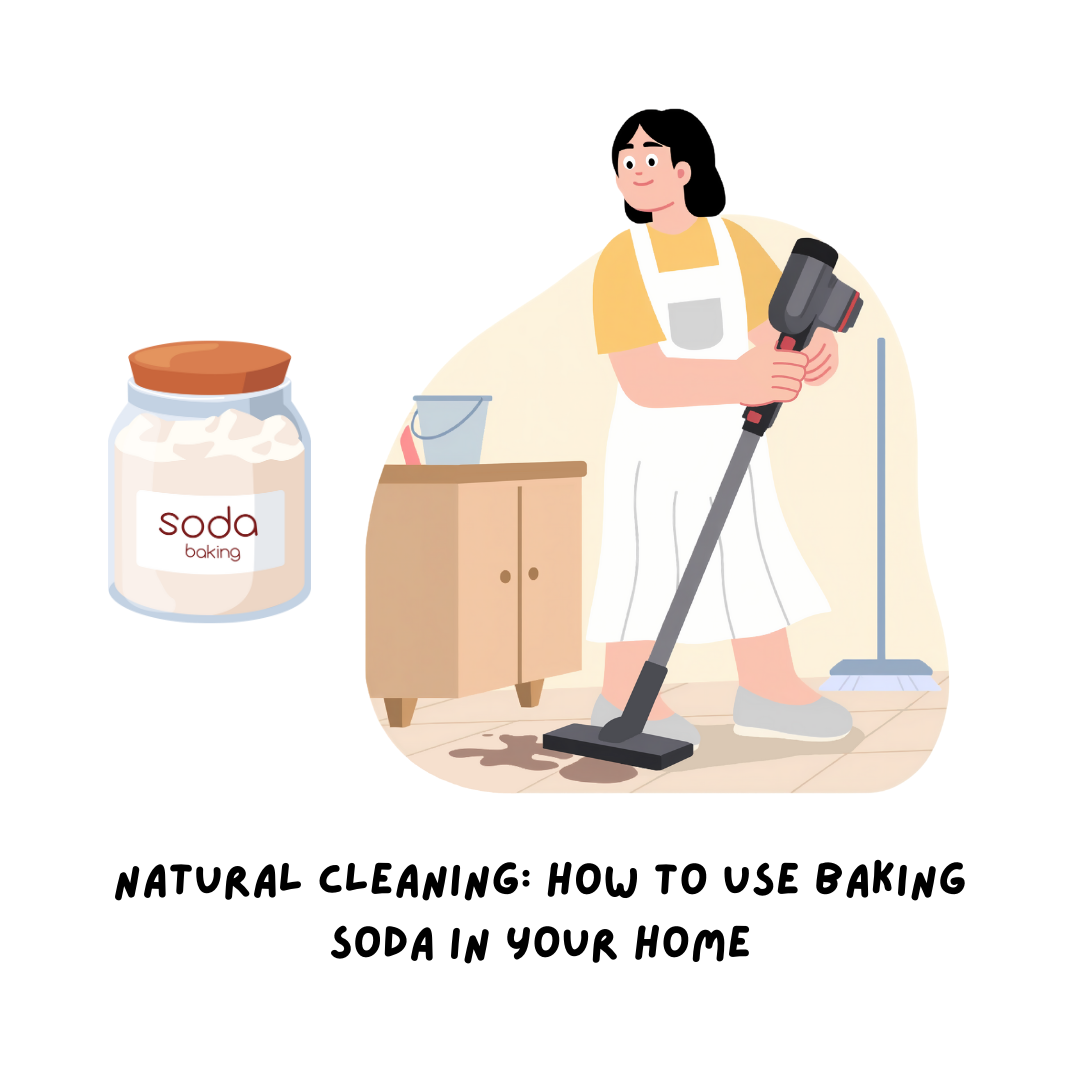

If there is one ingredient that deserves to graduate from the baking shelf to the cleaning cabinet, it’s baking soda. Long before modern cleaning products filled the supermarket aisles, households relied on simple, mineral-based cleaners to scrub, deodorize, and freshen the home. Now listen, stay with me to learn why you need to try baking soda to clean your home.
Baking soda was one of the natural cleaners our grandparents used, and unlike many highly fragranced or chemical-heavy cleaners today, it remains gentle, affordable, and incredibly versatile.
For moms especially, baking soda feels like a small victory: it works, it doesn’t cost much, and it doesn’t require airing out the house or wearing gloves. Toddlers can “help” without inhaling fumes, bath toys can be cleaned without bleach, and stains can be removed without a trip to the toxic aisle.
But what makes baking soda special? And how do you actually use it beyond sprinkling it into the fridge? Let’s explore.
Baking Soda as Your Favourite Natural Cleaner
To understand why baking soda is so effective, you need just a touch of simple chemistry. Baking soda, or sodium bicarbonate, is a mild alkaline compound that reacts with acids. This makes it excellent at breaking down build-up, lifting dirt, and neutralizing unpleasant odors. The texture adds a gentle abrasive action, allowing it to scrub without scratching, which is why it works on everything from porcelain sinks to ceramic stovetops (however, if you have marble or granite all over your place, you should not use it).
Unlike bleach or ammonia, which work aggressively and release fumes, baking soda cleans quietly. There is no burning smell, no watery eyes, no need to hold your breath, and no warnings to “ventilate the area.” For homes with children, people with allergies, or households trying to reduce chemical exposure, this makes it a welcome, child-safe choice.
Nor here is Katie, your chemist momma: let’s see how baking soda works from room to room.
Baking Soda to Clean the Kitchen
The kitchen is the busiest room in most homes and also the one most prone to sticky, greasy, burnt, or quietly stinking messes that are quietly stinking up the fridge. Baking soda handles all of the above effortlessly.
For stovetops and ovens, baking soda tackles burnt-on spills and grease splatters. It works like miracle, but let me tell you something: be patient. Make a baking soda pasta (add one cup of soda and a little bit of water for the pasta), clean the oven and let it stay 2-3 hours, and only after spray some vinegar/water combo on it, then clean it.
When sprinkled onto a damp surface and scrubbed, it breaks up stubbornly clinging oils on enamel and metal. Mixed with a bit of water to form a paste, it becomes even more powerful. Some parents prefer to add a splash of vinegar to activate fizzing, a mini science experiment toddlers love watching, but it works beautifully even without it.
Pots and pans benefit too. A sprinkle of baking soda in the bottom of a burnt saucepan, followed by hot water and a little patience, softens the carbonized layer that clings after a rushed dinner. Later, it wipes clean with minimal scrubbing.
Sinks and drains also respond well to baking soda. When combined with vinegar, the fizz can help flush out built-up oils and crumbs. It isn’t a replacement for serious plumbing issues, but for everyday kitchen maintenance, it’s more effective than most people expect.
A little story
Then there’s the refrigerator. Most families have experienced “that smell,” the one that makes you open the door and immediately start sniffing leftovers with suspicion. Because baking soda neutralizes acids, it absorbs food odors without masking them. A small open container placed on a shelf quietly filters the air inside, extending the time between deep fridge resets.
It helped me a lot once: we traveled for almost two weeks, and I forgot some old food in the fridge. The rest is history…it was awful. I cleaned the shelves and the door with vinegar, then added one little cup of soda to every shelf. I left it there for two weeks. It worked like a miracle.
In the Bathroom: Soap Scum, Bathtubs, and Tiles
Bathtubs in particular are notorious for collecting a ring of residue after kids soak, play, and pour half the shampoo bottle into the water. Baking soda, sprinkled generously and massaged with a sponge, dissolves that film without scratching the enamel or filling the room with fumes. It is way easier if you make a very thick pasta and use that.
Tiles and grout also benefit from baking soda. When mixed with a little water into a paste, it sticks beautifully to vertical surfaces. After a short wait, a quick scrub reveals much brighter grout lines that have been dulled by soap, steam, and moisture. Now listen to me, it matter a lot what kind of sponce you use: do not use somthing cheap and green on your white grouts. Make sure you use a very good sponge, like Scrub Daddy, The Pink Stuff, or a cellulose sponge; the latter is a really good choice for grout.
Bathrooms with poor ventilation often collect subtle mildew odors. Once again, you can use baking soda: it neutralizes them instead of adding synthetic perfume on top.
Toilet cleaning is an area where many parents feel torn. Bleach feels effective, but also harsh. Baking soda offers a middle path: sprinkled into the bowl, swirled with a brush, and left to sit for a few minutes, it deodorizes and breaks down mineral staining. Paired with vinegar, the fizzing action helps lift buildup from under the rim. I want to be totally honest with you: I always use citric acid when limescale is hard and chalky, like it is after a week without cleaning in our toilet. It is beacuse vinegar won’t help me if there is a lot of limescale. I add almost 50 g in the toilet, let it sit there 1-2 hours, then flush the water and the limescale is gone.
A short list for the baking soda
The bathroom is where baking soda’s gentle abrasiveness comes into its own. Without bleach, without synthetic fragrance, and without needing to empty the room before cleaning, it tackles:
- soap scum
- hard water build-up
- tub rings
- shower residue
- sink stains
- bathroom odors
+1 Tip:
Perhaps the most underrated use of baking soda in bathrooms involves bath toys. Squirting toys tend to develop mold inside, which can sometimes be visible only when squeezed. A warm soak with baking soda helps break down grime and deodorize toys without chlorine-based bleach. Use baking soda to clean the toys, but if possible, choose bath toys without holes.
In the Laundry and the Whole Home
Beyond kitchens and bathrooms, baking soda slips easily into other parts of the home. In laundry, it helps soften water, brighten whites, and neutralize odors trapped in fabrics. It pairs particularly well with towels and athletic wear, two categories that famously hold onto smells even after washing.
Carpets and upholstery also respond beautifully to baking soda. Sprinkled lightly onto fabric, left for an hour or two, and vacuumed, it freshens rooms without aerosol sprays or synthetic scents that linger and irritate sensitive noses.
Shoes, diaper pails, pet areas, and closets are additional spaces where baking soda shines. Its deodorizing abilities make it a quiet hero in corners of the home often ignored until they demand attention.
Conclusion
Baking soda is not glamorous. It doesn’t come in colorful marketing-approved packaging, nor does it promise to kill 99.9% of bacteria with one swipe. It simply works, reliably, gently, and affordably. For mothers juggling limited time, overstimulation, and the desire to build a home that supports health without demanding perfection, that matters.
Natural cleaning shouldn’t feel like a performative hobby or a lifestyle template you must follow. It should feel like support. Baking soda offers that support with minimal fuss.
If every home improvement could be as inexpensive and effective as this one, motherhood would feel just a little easiern and a little less overwhelming. So try with this little step, and add baking soda to clean your home.