With Love, Katie.

Most of us spend a lot of time thinking about what we should eat, which supplements to take, which workout to try, or which skincare routine will finally make our faces glow again. However, we rarely pause to think about the very environment we live in all day long, aka our home. Now, this is where the home-detox comes in.
For busy moms, especially those in the tired, overwhelmed, “just trying to make it through the week” season of life, home becomes the center of everything: food, sleep, play, chaos, connection, and recovery.
Home-Detox: It Matters More Than You Think
Yet, despite spending more time inside than ever before, we often overlook the fact that the home itself influences our well-being. Indoor air quality, cleaning supplies, fragrances, detergents, and even the materials we store food in can affect how our bodies feel. This doesn’t mean we need to fear our surroundings or become toxin-police overnight. It simply means that the home is an easy place to support our health, especially when we’re already stretched thin.
And because our kids are still growing, still crawling, still touching everything and putting it straight into their mouths, the home environment matters even more for them than it does for us. Their bodies absorb more per pound, their detox systems are immature, and their barrier systems (such as the skin and lungs) are more permeable. This is one of the reasons eczema, allergies, respiratory issues, and sensitivities are so common in childhood.
So, when we talk about “detoxing the home,” we are not talking about perfection or policing or making life harder. If anything, the goal is to make life easier, to create a healthier, calmer home without adding pressure to an already overloaded mental load. As moms, we don’t have time for complicated. We need changes that feel doable, that support our family, and that don’t require a chemistry degree or a Pinterest-worthy linen pantry.
With that in mind, let’s explore why a natural home actually matters, how conventional cleaners affect our health, and where small swaps make a surprisingly big difference.
Why Choose a ‘Natural Home’?
Listen to me: there will be nothing fancy, expensive, or long DIY recipes to make you feel overwhelmed. The whole home-detox is simpler than you think. I will keep it as realistic as I can, beacuse at the end of the day, here I am, just like you, a tired mum.
Transitioning to a natural home isn’t about trends or aesthetics; it’s about reducing unnecessary stress on our bodies and our kids’ bodies. Today, we live in a world of constant exposure: pollutants in the air, endocrine disruptors in products, synthetic fragrances in almost everything, and preservatives in our foods. While our bodies are incredibly resilient, there’s no denying that modern life asks a lot of them.
Reducing harmful exposures at home can lighten the load on systems like:
- the liver
- the hormonal system
- the immune system
- the skin barrier
- the nervous system
This is especially important for women and mothers, as hormones are inherently sensitive. Many moms report symptoms like fatigue, irritability, acne, bloating, heavy cycles, headaches, or brain fog without realizing that environmental chemicals can play a role. Again, this doesn’t mean eliminating everything or living in fear, just creating more support where we actually can.
Air quality
Another reason a natural home matters is air quality. Surprisingly, indoor air is often more polluted than outdoor air. According to environmental health research, indoor air pollution can be 5–7 times higher indoors, due to cleaners, detergents, scented products, paints, and even furniture materials. We notice this more now because we spend more time inside than previous generations ever did.
In addition, there are other quiet benefits:
- fewer eczema and skin irritation flares
- fewer artificial fragrances triggering headaches
- fewer allergy-like reactions
- fewer respiratory irritants
- less chemical residue on surfaces kids touch
The best part? A natural home doesn’t need to look curated or feel like a Pinterest photo shoot. In fact, the most supportive natural homes are usually simple, lived-in, a little chaotic, and full of kids, and are slowly upgraded with better choices over time.
A natural home is not perfect. It’s just supportive.
The Problem With Conventional Cleaners
Most conventional cleaning products are engineered for one primary goal: performance. They need to degrease, whiten, foam, disinfect, and leave behind a scent that communicates “clean.” However, what makes them effective often comes at a cost.
Many mainstream cleaners contain ingredients such as:
- endocrine-disrupting chemicals (EDCs)
- surfactants and preservatives linked to irritation
- synthetic fragrances and phthalates
- Volatile Organic Compounds (VOCs)
These substances can affect our bodies in different ways.
Endocrine disruptors
For example, it can interfere with hormones. Hormones regulate everything from metabolism to mood to fertility to sleep. When the endocrine system is burdened, moms may notice subtle changes long before obvious symptoms.
Synthetic fragrance
These types of fragrances are another major player in the whole system. Most fragrance blends are proprietary, meaning companies don’t disclose the actual ingredients. However, research shows many fragrances release VOCs that contribute to indoor air pollution and can trigger neurological or respiratory symptoms in sensitive individuals.
If you’ve ever felt a headache, brain fog, nausea, or irritability after being around strong scents, your body may have been trying to tell you something.
Surfactants and preservatives
They can irritate the skin. Many parents of kids with eczema or dermatitis notice flare-ups after switching laundry detergents or using certain floor cleaners. Because kids spend much more time playing on the ground, the residue left behind can make a difference.
Finally, disinfectant wipes, sprays, and antibacterial solutions can disrupt the skin microbiome and may contribute to the development of resistant bacteria. Many cleaning tasks simply don’t require antibacterial solutions, yet they are marketed as default.
To be clear: none of this information is meant to scare or shame. Conventional cleaners are not evil, and for many families, they have been the only available option for decades. The point is simply that there are now safer, gentler choices that support the body instead of burdening it and moms deserve to know those options exist.
Simple Non-Toxic Swaps
When you first realize that conventional cleaners may not be working in your favor, the mind immediately jumps to: “So I have to replace everything?” And as a mom—especially a tired, overstimulated one, that’s the last thing we need. Overhaul culture is exhausting. What works better is choosing thoughtful swaps in places where exposure happens most, or where kids interact frequently.
Let’s break it down gently and realistically.
Non-toxic Bathroom
Bathrooms tend to house the strongest chemical cleaners, such as bleach sprays, mold removers, glass cleaners, scented toilet gels, and so on. Yet the bathroom is where kids bathe, inhale warm steam, and touch surfaces with bare skin.
Supportive swaps include:
- Replace chemical sprays with castile-based cleaners
- swap dryer sheets for wool dryer balls + essential oils
- Replace synthetic fragrance with diffusers or beeswax candles
Most moms notice two things after making these switches:
- Their bathrooms no longer smell like a chemical factory, and
- Their kids’ skin flares are less reactive after baths
The body loves simplicity.
Detox the Kitchen
Kitchens are high-impact because they combine food, surfaces, and hands-in-mouth activities (especially for toddlers).
Easy swaps here include:
- all-purpose antibacterial sprays → vinegar or castile solutions + tea-tree oil
- dish soap → plant-based alternatives
- plastic storage containers → glass or stainless steel – love this changee
- chemical oven cleaners → baking soda paste, game-changer
Even if you swap only the dish soap and the multipurpose spray, you’ve already significantly lowered exposure. Kitchens are where you get the most return for the least effort.
Healthier Laundry Room
Laundry is often the silent culprit behind eczema and rashes. Fabrics sit against skin all day, and kids spend half their lives in pajamas and bedding.
Helpful swaps:
- swap detergent for a non-toxic or low-fragrance version
- ditch dryer sheets → use wool dryer balls + essential oils
- remove fabric softeners altogether (most are highly fragranced + coated in endocrine disruptors)
If you or your kids have ever come home itchy, irritated, or blotchy but never tied it to laundry—now you know where to look.
Beginner-Friendly DIY Recipes
DIY cleaners sound intimidating until you realize they’re just pantry staples doing what chemistry always intended them to do.
Here are three beginner-friendly formulas that cost almost nothing, smell lovely, and actually work:
1. All-Purpose Cleaner
Mix in a reusable spray bottle:
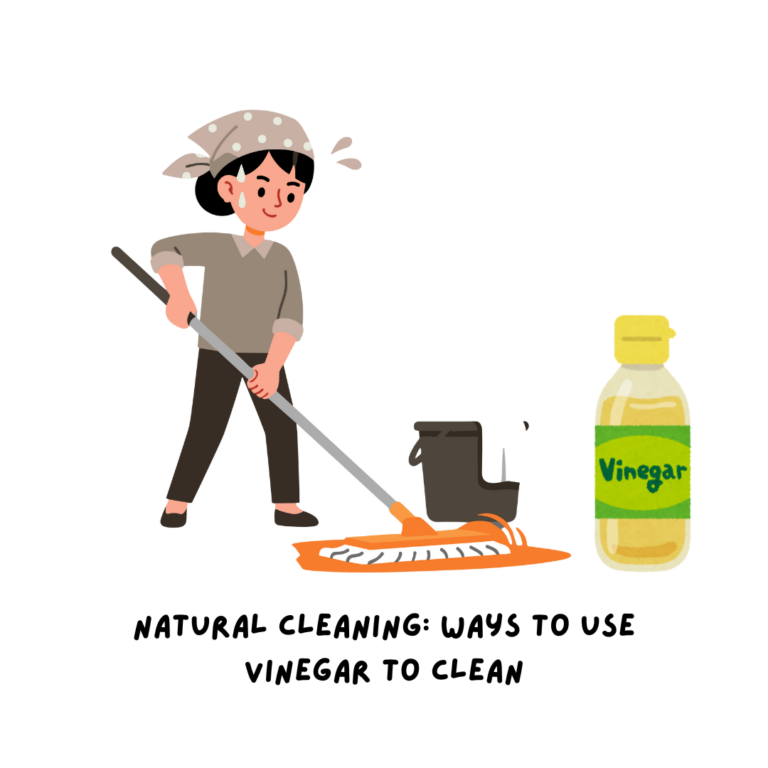
- 150 ml white vinegar
- 250 ml water
- 1 teaspoon castile soap
- 10 drops essential oils (lemon, lavender, or tea tree: the latter one is my favourite one, I love it’s smell and it has a lot of benefits too)
Use it for counters, sinks, tiles, cabinets, and floors. Avoid use on marble, stone, or granite. It replaces multiple products and saves a surprising amount of money.
2. Soft Scrub for Tubs & Sinks
Mix into a paste:
- baking soda
- castile soap
- optional: fresh lemon juice
It lifts soap scum, grime, stains, and hard-water buildup. It’s also toddler-safe, which means cleaning doesn’t require evacuating the bathroom.
3. Glass & Mirror Cleaner
Combine:
- 1 cup vinegar
- 1 cup distilled water
- ¼ cup rubbing alcohol
It dries streak-free and eliminates that blue chemical smell we grew up with.
Beyond cost savings, moms love DIY cleaners because:
✔ kids can “help” without breathing chemicals
✔ you can clean while pregnant without headaches
✔ there’s no sticky residue
✔ it cuts plastic waste
And, most importantly, it removes the sensory overload of synthetic fragrance.
For many moms, especially those prone to migraines, anxiety spikes, or sensory overwhelm, this alone feels life-changing.
Behind Detoxing the Home
Before we wrap up, I want to say something out loud because no one else does: this is not about being perfect, I sometimes use a mirror-cleaning spray when I hurry, and I don’t have to mix my solution…
We live in a time where everything, from wellness to homemaking to motherhood, gets turned into performance culture. But detoxing your home is not a performance. It’s a form of support.
It’s supporting your nervous system, hormones, skin, sleep, mood, and lungs by removing the things that make these systems work harder.
But it is also supporting your children as they grow in an environment they didn’t choose, one in which their bodies are still learning to navigate.
Detoxing the home isn’t about rigid rules or purity culture or living in fear of chemicals, but rather about reducing burden, not creating new burden.
And honestly? The healthiest homes are rarely minimalist, spotless, or influencer-approved. They are rather lived-in, and they have all been full of fingerprints, crumbs, unfinished laundry piles, and toys under the couches. And finally, these homes are full of kids learning, growing, and making messes.
The point is not aesthetics.
The point is support.
Conclusion
Even more, you don’t need to swap a single product today, just think about the information and go out tomorrow, buy a small bottle and put a little bit of vinegar in it. If this topic is new to you, remember that you don’t need to throw away everything you own. Even more, you don’t need to swap a single product today, just think about the information and go out tomorrow, buy a small bottle and put a little bit of vinegar in it. One tiny step…. You don’t need to research chemical names or memorize a banned ingredients list; just make sure you find some environmentally-friendly swipes as a first step.
Just start with what you use most.
Small swaps compound over time, and your body will notice, especially if you are in a season of burnout, hormone issues, postpartum depletion, eczema, migraines, or sensory overwhelm.
Your home is where your children grow. It’s where you heal and where life happens. And making that space more supportive is one of the gentlest, most impactful forms of wellness.
And remember, you don’t need perfection with this whole home-detox project, but rather some tiny steps to support your home.