With Love, Katie.

In a world that glorifies productivity and constant connection, slow-living is a quiet, soulful rebellion. It’s not about doing nothing, beacuse let’s face it, then, as a mom, I would not be writing about it. A slow-living lifestyle is about doing things with more intention, more presence, and more joy.

This guide is about a slow-living lifestyle, to soften your pace and to help you find meaning in the small, quiet things.
Why a Slow Living Lifestyle?
Slow living is a return to rhythm, simplicity, and all in between, aka what really matters. When you choose to slow down, you begin to live. Slow living is about pausing the rush, being mindful, and building a life filled with meaning over momentum.
It’s the lifestyle that allows your nervous system to breathe and your soul to speak.
Slow living and holistic lifestyle go beautifully hand in hand. They’re like two soft threads of the same fabric: both rooted in presence, intention, and care for the whole you.
-
When you live slowly, you’re more in tune with your body’s signals, so you will start supporting your health, holistically.
-
When you live holistically, you naturally begin to slow down, simplify, and make choices that feel aligned.
-
Both honor natural rhythms (like sleep, hormones, seasons, cycles: both hormonal, but nature’s cycle too).
-
Both value rituals over routines, nourishment over rules, and presence over perfection.
Here are 10 small joys that come alive in a slow lifestyle:
1. Stretching in sunlight
If you love moving in the morning and you actually find the energy (and time) for it (and yes, I know this is not every mom) try stretching in the sunlight. Natural morning light supports your circadian rhythm and boosts serotonin, which later converts to melatonin for better sleep. Even two minutes of reaching toward the ceiling count.
2. Drinking tea without scrolling
Busy moms rarely get a moment without multitasking. Try taking a few sips of tea (or coffee, or matcha) without a screen. Let it become a tiny ritual: taste, warmth, breath. Screens stimulate, tea softens.
3. Cooking a meal from scratch
We don’t need to pretend this happens daily, but cooking something from scratch is grounding. It reminds the body that nourishment is slow by nature. Chopping vegetables is strangely therapeutic when no one is screaming “more snacks” yet.
4. Walking barefoot in the grass
Grounding, or “earthing,” can help regulate stress and soothe an overstimulated nervous system, especially for moms who feel “wired but tired.” It doesn’t need to be a wellness retreat. Just step outside for a moment.
5. Listening to music or silence
Motherhood is noisy: toys, notifications, crying, requests, laundry beeping. Music can regulate mood, but silence is medicine too. Choose intentionally, like what do you need today?
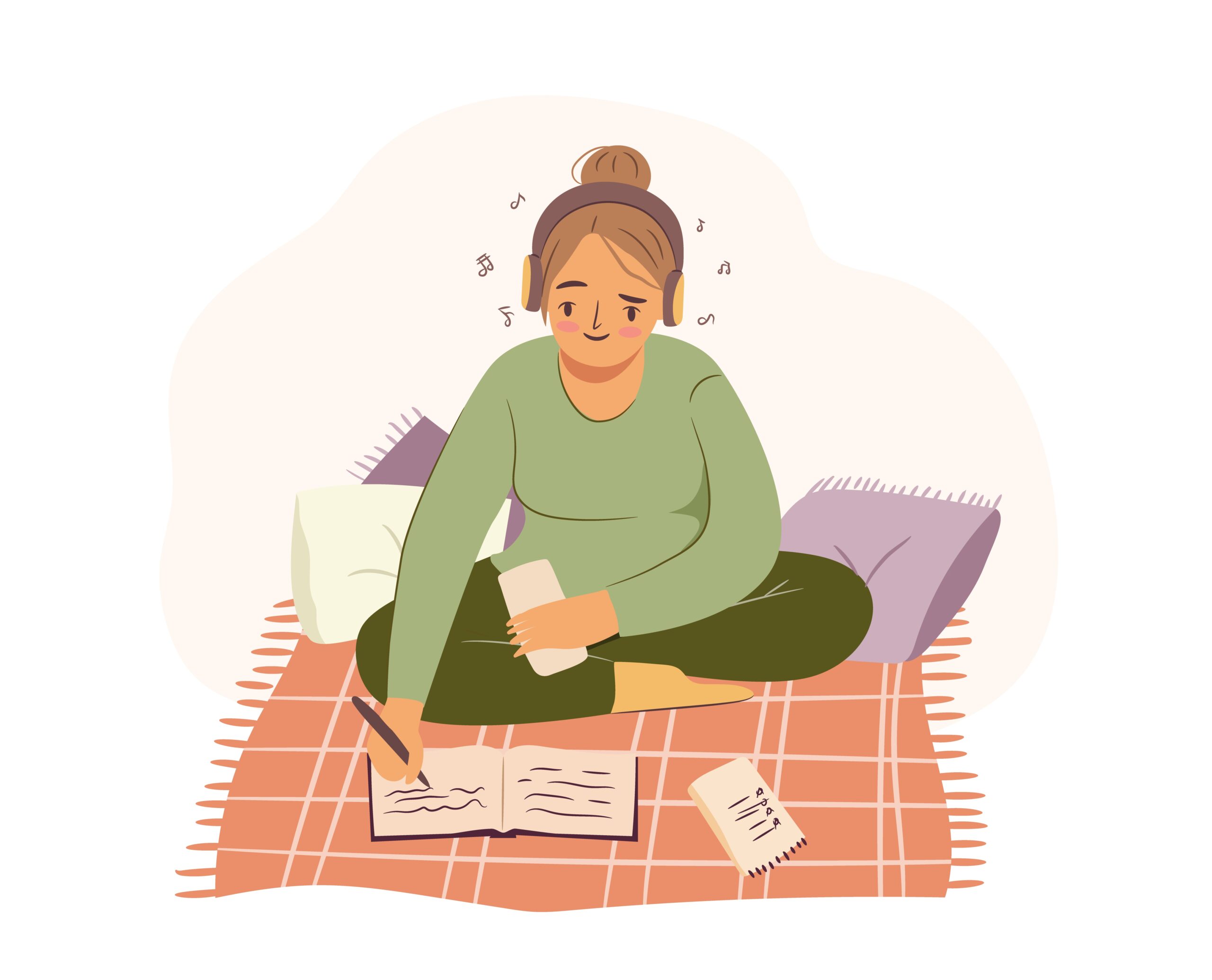
6. Journaling slowly with a pen
There is something different about handwriting. It slows thoughts down. It gives emotions weight and shape. You don’t need a special notebook; even the back of a grocery receipt counts. The point is slowness, not aesthetics.
7. Sitting with a friend over coffee
Or matcha, or tea, whatever doesn’t spike you into jitters. And if you want to get a little hormonal, try scheduling deeper conversations or social time during your ovulation phase. That’s when your estrogen peaks, communication flows more easily, and you naturally crave connection. Your physiology actually enjoys it.
8. Taking a bath instead of a shower
Showers are functional. Baths are medicinal. Warm water cues the body to shift into parasympathetic mode (rest-and-digest), lowering cortisol and calming inflammation. If you can add magnesium salts, even better. If you can add 20 minutes without interruption… well, you’re a superhero (spoiler alert: you can’t, if you’re a mom, haha).
9. Watching the sky instead of your phone
Screens compress time. Nature expands it. Looking at clouds, birds, or a sunset lengthens your breath and slows the nervous system. It’s one of the fastest ways to exit fight-or-flight without needing a wellness app.
10. Practicing gentle yoga or breathwork
No fancy mats, no studio, no choreography. Just simple movements that release tension and breathing that reminds the body it’s safe. Especially helpful during luteal and menstrual phases, when intensity feels more draining than energizing.

These aren’t luxuries. They’re your birthright.
Slow-living: A Slow Morning Ritual
Your morning sets the tone for your entire day. It’s the first moment you reconnect with yourself, your breath, your body and how you choose to begin can either ground you… or rush you into stress.
A slow morning ritual isn’t about perfection or productivity. It’s about presence and giving yourself a soft landing into the day, rather than jumping straight into the noise of the world.
Short steps for your hormonal balance:
- It keeps cortisol in balance
Cortisol naturally rises in the morning to wake you up, but if you add stress (simply by starting your day with screens, rushing, skipping a good, nourishing food), it spikes too high and stays elevated. Aka, a slow morning helps your cortisol rise gently, so you stay energized, but not anxious.
- It helps regulate blood sugar
Eating a nourishing breakfast with protein, fat, and fiber (like eggs as a very healthy protein source, avocado for some fat, or warm veggies) helps keep your blood sugar stable. A stable blood sugar = fewer mood swings, cravings, and hormonal chaos later in the day.
- It supports your nervous system
Gentle movement, morning light, silence, and breathwork activate your parasympathetic system, your rest-and-digest state. This creates hormonal harmony, especially for women with anxiety, PCOS, or PMS. And as a mom and a women of two babies at 33, I find it really important to support our hormones.
- It sets your circadian rhythm
Exposure to natural light within the first hour of waking helps set your inner clock, regulating sleep, metabolism, but even estrogen and progesterone cycles. You’ll sleep better at night and feel more focused during the day. This is crucial to be safe at your work.
- It creates emotional resilience
Starting your day with you, being present, before the world’s noise rushes in, it will build you emotional safety. You become less reactive, more grounded and more in tune with your needs.
Now listen to me, you do not need to think of big thing: even 10 minutes can change everything: a stretch, maybe a warm drink in winter or simly a deep breath.
Your beginner-friendly slow-morning ritual
- Wake up without your phone, like you literally do not need to touch it in the few minutes after you woke up
- Light a candle or open the window, and enjoy the fresh air
- Drink warm lemon water or herbal tea: let’s make your digestion work better
- Stretch, breathe or journal for five minutes (it is okay if you love the evening journaling)
- Eat a nourishing breakfast (with protein and fats and salt, do not be afraid of fats)
- Choose how you want to feel today and make sure you choose happiness and a big smile
Let your morning begin with softness, not urgency. You will have a direction and the whole process will protect your energy from the start, making you more resilient to everything that comes next.
Slow-lifestyle: A Slow Evening Ritual
After a long day of doing, giving, thinking and holding it all together, your body and nervous system need one thing: slowness.
A slow evening ritual isn’t about checking more boxes. It’s about letting go of the day, signaling safety to your body, and preparing for true rest. It will support your hormone balance, especially melatonin and cortisol, and with this, it will improve your sleep quality, which affects mood, digestion, and energy, aka your overall being.
Your beginner-friendly slow-evening ritual
- Unplug from screens at least an hour before bed
- Dim the lights, light a candle, let the fresh air go through your room
- Do gentle movement, stretch, oil massage ar dry brush
- Sip calming tea (like chamomile or lemon balm)
- Journal or brain-dump your thoughts
- Read something light or soothing
- Practice gratitude: 3 things you loved today and write it down
Once again, you do not need big changes. The above-mentioned tios are enough. Pick one and it is a good start.
- You help your cortisol levels drop
Cortisol should naturally decline as the sun goes down. But screens, bright lights, multitasking and late-night chaos will keep it high. A slow evening routine helps cortisol levels lower, so melatonin, your sleep hormone, can rise and sleep can come gently.
- You support melatonin production
Melatonin (your sleep hormone) thrives in darkness, quiet and calm. Dimming lights, unplugging screens and moving into stillness helps your body remember its natural rhythm.
- You create emotional closure
Slowness lets you process the day, rather than dragging it into tomorrow. Journaling, stretching, or quiet moments help you release what you’ve been holding.
- You build trust with your body
Just like for the babies, consistency and rhythm help your body feel safe. A regular slow-down ritual tells your body: you don’t have to stay on alert anymore.
When your body feels safe, sleep comes with ease.
Seasonal Slow-Living
Listen, each season has it’s own magic. Nature has its own rhythm: blooming, resting, rising, releasing. And so do you woman. When you begin to live with the seasons instead of against them, life feels less like a race and more like a rhythm. Just like the seasonal beauty rituals, even the slow living can be seasonal.
You don’t have to move to the countryside to live seasonally, beacuse I always belived we need to move before I started digging deep into holistic lifestyle and slow-living. It starts with simple things:
A warm soup in autumn and some walks bare feet in the grass in spring. or an early window opening in the summer or some moon watching evenings.

So here are a few tips to try them in each season.
Slow-Living in Spring
Spring is the season of awakening. Let yourself bloom, gently.
- Open the windows and let air flow
- Clean just one drawer or space with intention, but start a decluttering process
- Plant herbs, flowers, or veggies
- Start to eat seasonal veggies and fruits
- Take morning walks in nature, even barefoot
- Try a new creative hobby or craft outdoor
- Cook with fresh greens and early veggies
- Write new intentions in your journal
- Start to enjoy the morning sunshine, let the sun warm your face
Slow living in spring is about planting, not rushing.
Slow-Living in Summer
Summer brings brightness, warmth, and joy. Soak it in.
- Eat outside under the sun or stars
- Take afternoon rest without guilt
- Go swimming or walk near water
- Host a simple picnic or meal with friends
- Wear flowy clothes and go barefoot
- Unplug from your phone for hours—or a full day
- Move your body in joyful ways (dance, swim, hike)

Let this be your season of presence over productivity.
Slow Living in Autumn
Autumn invites reflection and release. Welcome it softly.
- Declutter your space and your schedule
- Light candles as evenings get longer
- Walk under falling leaves without headphones
- Cook something warm and grounding
- Begin or deepen your journaling practice
- Let go of habits, things, or people that weigh you down
- Try gentle movement or yoga to reconnect inward

Autumn is your reminder: letting go is healing.
Slow Living in Winter
Winter is not the season to bloom—it’s the season to rest.
- Sleep more—your body needs it
- Create cozy, screen-free evenings
- Sip nourishing teas like ginger, cinnamon, nettle
- Journal by the window or near candlelight
- Read slowly, with a blanket and soft socks
- Practice skincare or body oiling with intention
- Say no more often. Choose quiet.
- Read a lot.
- Enjoy a new indorr hobby, like crocheting.
Winter asks: What if stillness is the medicine?
Slow-Living Lifestyle: Is it for Lazy Ones?
Many people misunderstand slow living because our culture has become so fast and productivity-obsessed.
We’ve been taught to measure our worth by output.
If you’re not working, cleaning, hustling, or checking off a to-do list, society often sees that as laziness or lack of ambition. So when someone is resting with intention, it looks foreign or even wrong.
Slowness has become a luxury.
In a fast world, slowing down feels rebellious. But really, it’s just natural and it should be accepted. We’re not built to go full speed all the time. But culture does and it makes stillness feel “unproductive.”
I remember watching a movie, where a mom said that she gave birth, and no log after she went back to the USA to work. She gets to see her baby 2 times a year, for a couple of weeks. Listen, I must accept this, but I do not find it normal. Where’s the rush?
They haven’t experienced the depth of slow living.
Slow living isn’t about lying in bed all day (though sometimes that’s part of it!), but more about being present or just making your tea with care, walking with intention, journaling after dinner, choosing connection over distraction.
The phrase “dolce far niente” is often romanticized.
People hear “the sweetness of doing nothing” and think: hammocks, naps, idleness. And literally not working all day, like we could chose this….but that phrase doesn’t mean laziness, but ratherit means pleasure in simply being: so it is not even about doing nothing, but more about doing things slowly, with soul.
Final Thoughts
Slow living it is your choice to connect and reconnect over and over with nature and yourself. You don’t need a retreat or a whole new life to begin, like literally just pay more attention and do not let these instructions make you feel overwhelmed. Please start with one gentle change.
Start by putting your phone down and step outside, or maybe tonight stretch and sip your tea a little slower.