With Love, Katie.
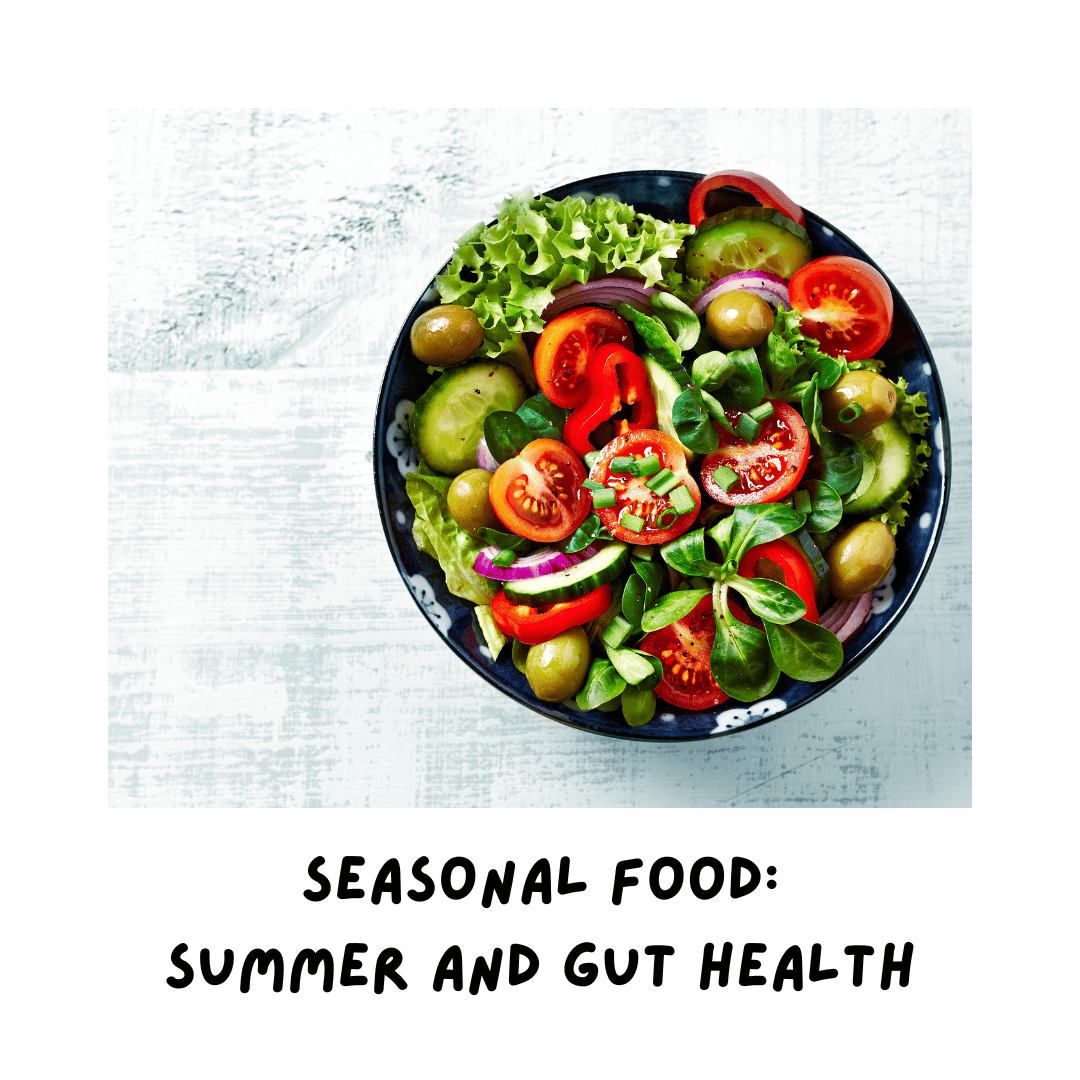

Summer is one of the best times of year for your gut. Not because of any special protocol or supplement, but simply because of what is growing right now. So if you are interested in how summer and gut are connected (in the best way possible), stay with me.
Fresh, ripe, fibre-rich produce is abundant. The variety alone is meaningful. Research on hunter-gatherer populations found that gut microbiome diversity was significantly higher during warmer months, when fresh fruit and vegetables were available, compared to seasons with a more restricted diet. The microbiome responds to variety. Summer provides it naturally.
Here are the seasonal summer foods worth prioritising for your gut’s health. Because, trust me, summer and gut are your perfect combination.
Seasonal changes in diet, even within a generally stable eating pattern, can significantly shift the composition of the gut microbiome. A year-long study found consistent differences in gut bacteria between winter and summer, with fresh summer produce linked to increases in beneficial bacteria that digest complex carbohydrates. Your gut is already seasonally wired. Eating with the season supports that rhythm rather than working against it.
Berries
Strawberries, blueberries, raspberries, and blackberries are at their peak right now. They are also among the most gut-supportive foods available. Rich in polyphenols — plant compounds that beneficial gut bacteria ferment into anti-inflammatory by-products — berries actively feed the microbiome while reducing oxidative stress in the gut lining.
Blueberries in particular have been shown to increase Bifidobacterium populations, one of the most well-studied beneficial bacterial genera. A handful at breakfast, mixed into yoghurt, or eaten with a piece of cheese as a snack — the dose does not need to be large to be effective.
Tomatoes
Summer tomatoes are genuinely different from their winter counterparts. Summer harvests provide higher concentrations of lycopene, which has shown potential in protecting against cancer and — more relevant to daily gut health — in supporting the integrity of the intestinal lining.
A damaged gut lining allows inflammatory compounds to enter the systemic circulation, contributing to the chronic, low-grade inflammation that so many tired mothers carry. Lycopene helps maintain the barrier. Eat tomatoes with olive oil: lycopene is fat-soluble, and absorption increases significantly in the presence of fat. A simple summer salad of ripe tomatoes, good olive oil, salt, and fresh basil is functional food dressed as pleasure.
Cucumbers and Courgettes
The gut needs water to function well. Fermentation, motility, stool consistency, all depend on adequate hydration. Summer heat increases fluid loss. Cucumbers and courgettes are over 90% water and contribute meaningfully to daily hydration alongside their fibre content.
They are also gentle on an inflamed or sensitive gut. On days when digestion feels sluggish or uncomfortable, a diet featuring these high-water vegetables supports motility without adding the fermentation load of higher-fibre foods.
Fermented Summer Foods
Fermented foods promote microbiome balance and may stabilise gut health through seasonal changes. Lots of summer fruits and vegetables, like cucumbers, peppers, and cherries hold up well to fermentation.
This is an invitation to make your own. A jar of quick-fermented cucumber pickles is the Hungarians’ favourite summer food. A small batch of lacto-fermented courgette. Kefir made with summer berries stirred through. These are not complicated projects. They are ten-minute tasks that produce living food your microbiome will directly benefit from.
Fresh Herbs
Basil, mint, dill, parsley, and oregano are abundant in summer and deeply underused as medicinal foods. They contain polyphenols, volatile oils, and antimicrobial compounds that support a balanced gut environment. Fresh mint reduces intestinal spasm and bloating. Oregano has documented antimicrobial properties against pathogenic gut bacteria. Parsley provides prebiotic fibre alongside its vitamin C content.
Add them generously. Not as garnish — as ingredients.
The Simple Summer Principle
Variety feeds diversity. Traditional hunter-gatherer groups had more diverse microbiomes in seasons when berries were available, compared to seasons when their diets were more meat-heavy. You do not need an elaborate plan. Eat what is ripe, eat a wide range of colours, include fermented food regularly, and drink enough water for your gut to do its work.
Summer makes this easy. I hope you love this series of seasonal food, and I also hope that the seasonal food, summer and gut health connection all makes sense to you.