With Love, Katie.
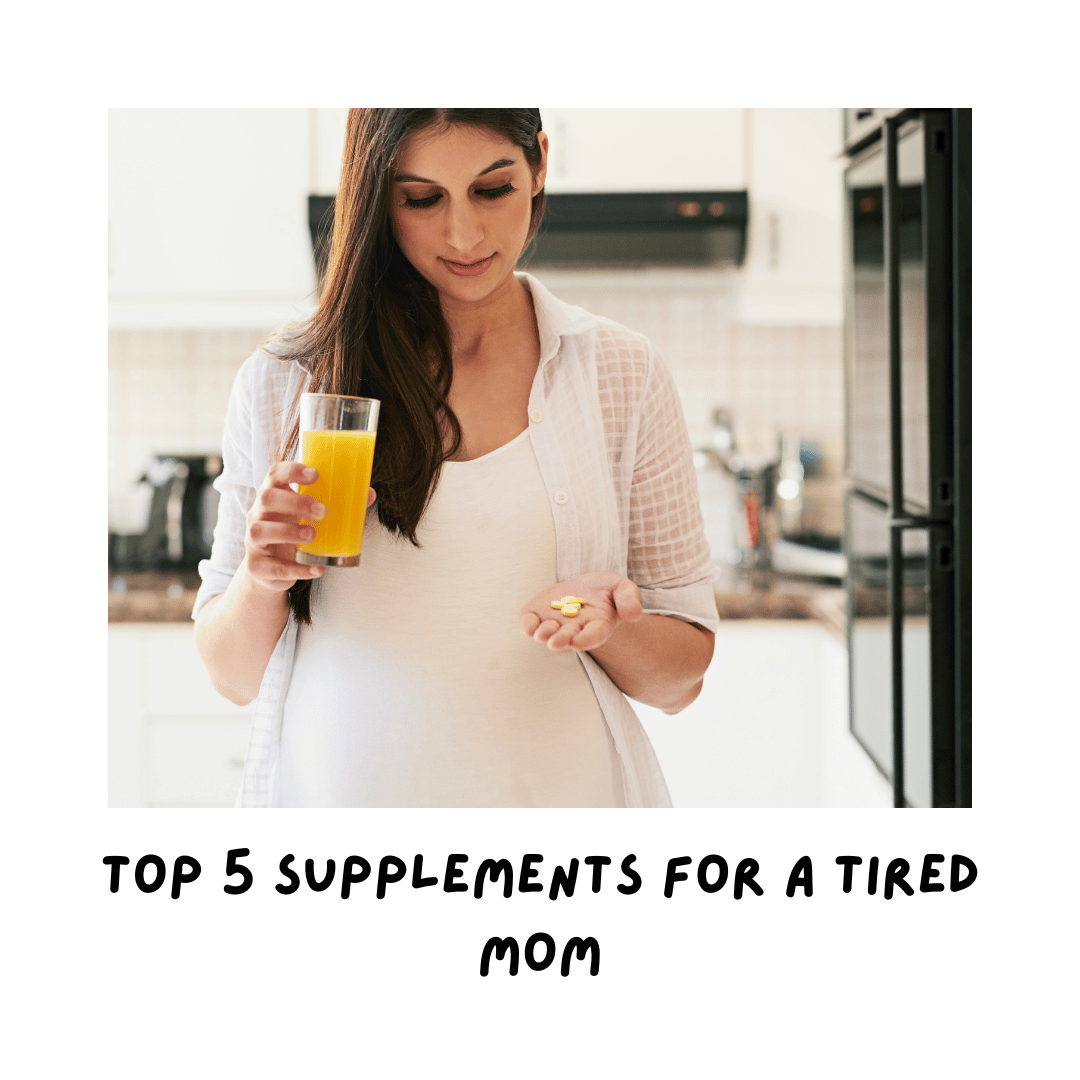

Supplements are only as effective as the foundation they sit on. Before we get into the 5 supplements a tired mom should take, which are worth taking, a quick, honest note from me. A capsule taken alongside a diet of processed food, two hours of sleep, and zero hydration will do very little. The supplements below work because they address specific, common deficiencies in mothers, and they work best when the basics are also in place. We will cover both.
Now, you already know I am a neuroscientist mom. I write my honest opinion, combined with a little bit of science. Please consult your healthcare provider before taking any medication or supplement.
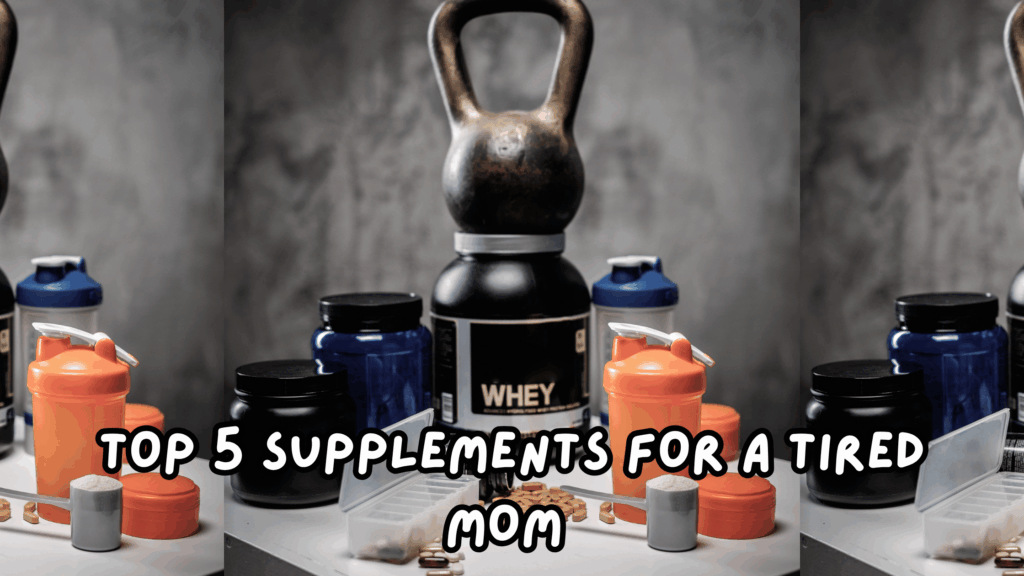
So, let’s dive into the top 5 supplements a tired mom should take.
Magnesium: Take It Before Sleep
Magnesium is the mineral most consistently depleted in stressed, sleep-deprived mothers, and the evening is when your body needs it most. During sleep, magnesium supports the production of GABA (the neurotransmitter that quiets the nervous system). Moreover, it plays a direct role in the physical repair processes that happen while you rest. Without adequate magnesium, sleep is lighter, less restorative, and the morning cortisol awakening response becomes dysregulated (1, 2).
Take magnesium glycinate specifically; it is the most bioavailable and the gentlest on the digestive system. 300–400mg, thirty to sixty minutes before bed. Consistency matters more than the dose.
Do not take magnesium oxide, as it is known that it has a bad adsorption rate (3).
Omega-3: Food First, Supplement If Needed
Omega-3 fatty acids reduce systemic inflammation, support brain function, and stabilise mood. Moreover, it contributes to the hormonal environment your body needs to function well. The ideal source is food: oily fish (salmon, sardines, mackerel, anchovies) eaten two to three times per week. This will provide you a meaningful dose of EPA (4) and DHA (5), the two active forms your body uses directly.
If fish is not a regular part of your diet, a supplement is worth adding. Look for one that provides at least 1,000mg of combined EPA and DHA per serving, not just 1,000mg of fish oil, which is a different, much smaller amount. Algae-based omega-3 is a clean, sustainable alternative for those who avoid fish entirely. Take it with a meal containing fat for better absorption.

Vitamin D3 with K2: The Pair That Works Together
Vitamin D deficiency is extraordinarily common in women, particularly those spending most of the day indoors. Low levels are directly linked to fatigue, low mood, weakened immunity, and impaired hormonal function, including thyroid and adrenal activity. The K2 component is important: it directs calcium to your bones rather than your arteries, which matters when supplementing vitamin D long-term (6).
Get your levels tested before you take Vitamin D to make sure you know what you need.
Coenzyme Q10: The Cellular Energy Molecule
Now you might be asking yourself: Really, CoQ10 is the next on the list? It works well for me, science says it’s good, so this is one of the 5 supplements a tired, overwhelmed mom should take. It is produced naturally in every cell of your body and sits at the heart of mitochondrial energy production. This is the process by which your cells convert food into usable fuel. Production declines with age, stress, and certain medications (statins in particular deplete it significantly). For mothers experiencing a quality of fatigue that goes beyond tiredness into a genuine sense of cellular depletion — heavy limbs, mental fog that coffee doesn’t touch, slow physical recovery — CoQ10 is one of the more targeted and underused interventions.
100–200mg daily, in the ubiquinol form (more bioavailable than ubiquinone, especially in women over 35). Take it with breakfast or lunch — it can occasionally be slightly stimulating and is better not taken close to bedtime.
Iron: Especially Around Menstruation
Iron deficiency is the most common nutritional deficiency in women of reproductive age, and it is chronically underdiagnosed. Standard blood tests measure serum iron, which can appear normal even when ferritin (stored iron) is significantly depleted. Ferritin is what you want tested. Symptoms of low ferritin: fatigue, hair loss, brain fog, cold extremities, breathlessness, are often attributed to stress or poor sleep when the actual cause is a sitting unreviewed blood result.
Around menstruation, iron losses are at their highest. This is the window when targeted supplementation or deliberate iron-rich eating makes the most tangible difference: red meat, dark leafy greens, lentils, and pumpkin seeds, eaten alongside vitamin C to maximise absorption. If supplementing, iron bisglycinate is significantly better tolerated than ferrous sulphate and far less likely to cause the digestive discomfort that makes many women abandon iron supplementation before it has a chance to work.
The Foundations That Make Everything Work
Fibre: 25 to 30 Grams Daily
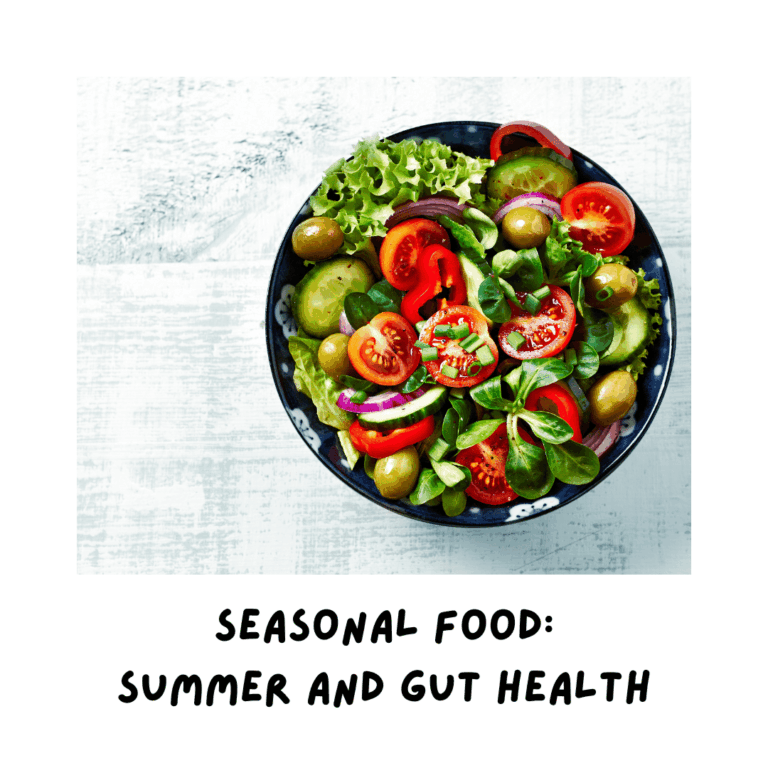
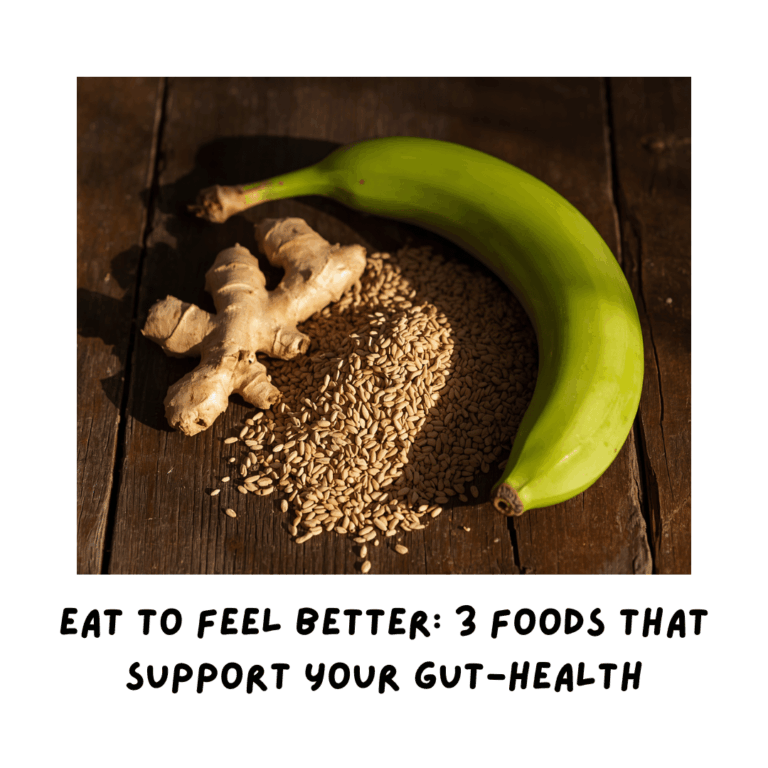
Fibre is how your body clears spent hormones, excess oestrogen, and metabolic waste products through the digestive system. Without adequate fibre, these are reabsorbed rather than eliminated — contributing directly to hormonal imbalance, skin issues, and the sluggish, bloated feeling that many mothers normalise as just how they feel. Aim for 25–30 grams daily from whole sources: vegetables, legumes, flaxseeds, oats, whole grains, fruit with the skin on. It does not require a complicated eating plan — it requires variety and volume of real food across the day.
Protein at Every Meal
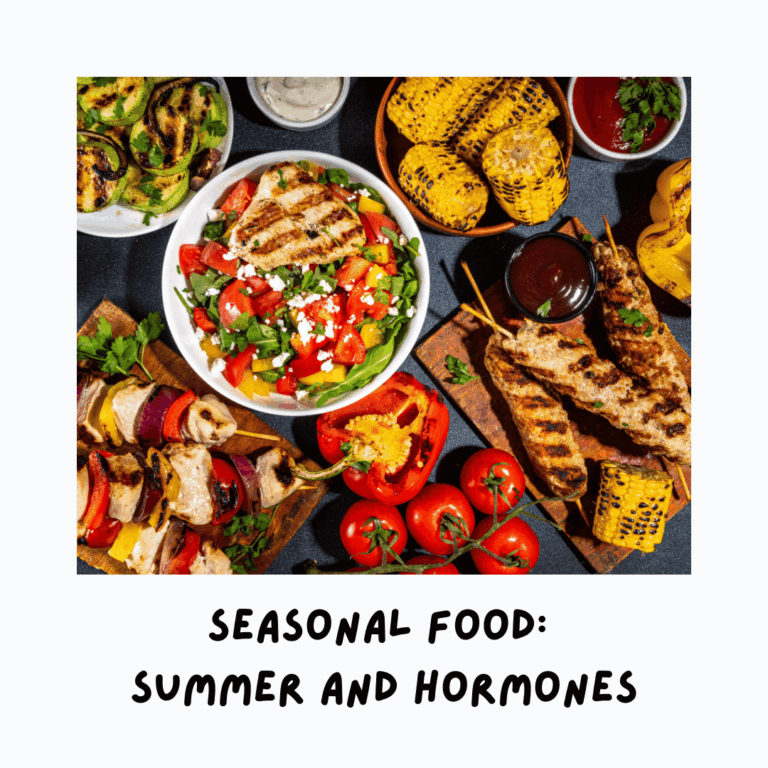
Your body cannot store protein the way it stores fat or glycogen, which means a consistent supply across the day is genuinely necessary — not just helpful. Protein at breakfast stabilises blood sugar and moderates cortisol. Eat it during lunch to sustain focus and prevent the 3 pm crash. During dinner-time, proteins support overnight tissue repair and muscle recovery. For tired mothers, the minimum worth aiming for is 25–30 grams per meal — an egg and some Greek yoghurt, a piece of fish, a generous portion of legumes with cheese. Every meal. Every day.
Two Litres of Water
Even mild dehydration — as little as 1–2% of body weight — measurably impairs cognitive function, mood, and physical energy. Most mothers are mildly dehydrated most of the time, and the sensation is so chronic it stops registering as thirst. Two litres of water daily is the baseline. More if you are breastfeeding, exercising, or in summer heat. A large glass of water before your morning coffee is one of the simplest and most consistently effective habits you can build.
Bread
Commercially produced bread, even when labelled wholegrain or high-fibre, is largely made from highly processed flour stripped of the nutrients and fibre that made the original grain worth eating. Real sourdough — made with a live starter, a long fermentation, and simple ingredients — is genuinely different. The fermentation process partially pre-digests the gluten, significantly reduces the bread’s glycaemic impact, and produces beneficial organic acids that support gut health. It is also more satisfying, meaning you eat less and stay full longer. Make it, buy it from a baker who makes it properly, or skip bread entirely — but the packaged supermarket version in a daily diet is quietly doing more hormonal and digestive damage than most people realise.
Sleep: After 30, It Is Not Optional
Sleep is where your hormones are produced, regulated, and reset. Growth hormone, which governs tissue repair, metabolism, and body composition, is released primarily in the first hours of deep sleep. Cortisol patterns for the entire following day are set during the night. Progesterone, oestrogen, and thyroid hormone all follow circadian rhythms that depend on consistent, adequate sleep to function properly.
After 30, this is not negotiable. The decades-long habit of treating sleep as the thing you do with whatever time is left after everything else — that habit has a cost, and it accumulates. Seven to nine hours, at consistent times, in a cool and dark room. This single variable affects your energy, your weight, your hormonal balance, your skin, your mood, and your patience with your children more than any supplement on this list.
Everything else in this post works better when sleep is in place. And almost nothing works well when it is not.