With Love, Katie.
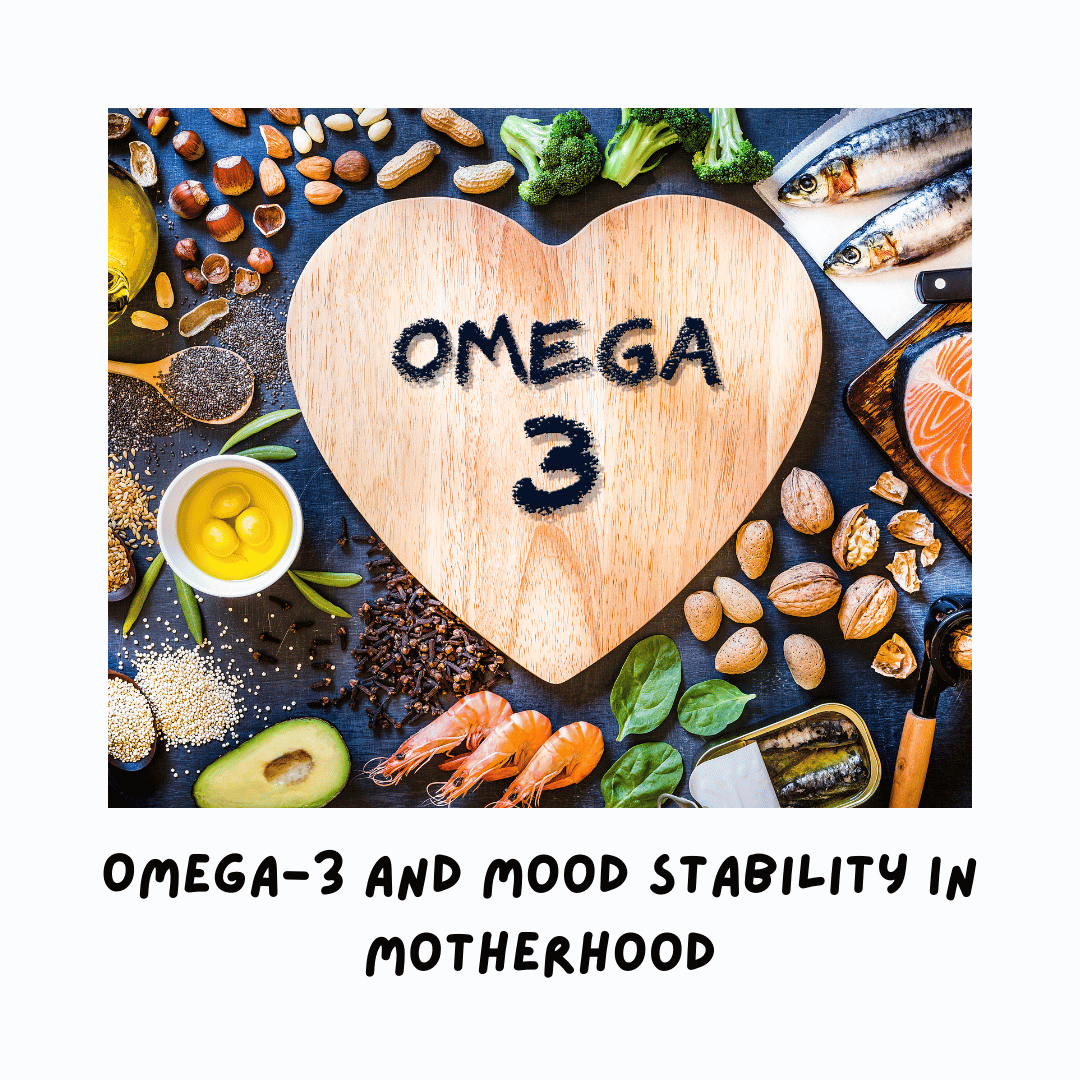

There are days in motherhood when your mood feels like it’s moving faster than you can keep up. You wake up already tired, and at 10 A.M., small things feel overwhelming. Your patience feels thinner than usual, and by the end of the day, you’re not just physically exhausted—but emotionally drained too. Here is where healthy omega-3 comes in to support your mood stability.
And while this is often normalized as “just part of motherhood,” there’s a deeper layer worth looking at. Because your mood is not random.
It’s influenced—every single day—by what’s happening inside your body. And one of the most overlooked, yet powerful pieces of that internal balance is something very simple: fats. More specifically, omega fatty acids.
Omega Fats: Omega-3 for Mood Stability
Omega fats are essential fats, meaning your body cannot produce them on its own. You have to get them from food. There are three main types:
- Omega-3
- Omega-6
- Omega-9
Omega-6 and omega-9 are relatively easy to get in modern diets. In fact, most people get too much omega-6, especially from processed foods and vegetable oils. But omega-3? That’s where the imbalance begins.
Omega-3 fatty acids, especially EPA (eicosapentaenoic acid) and DHA (docosahexaenoic acid), play a crucial role in brain function, nervous system regulation, and inflammation control. And yet, many women, especially mothers, don’t get enough. EPA is readily found in mackerel, herring, wild sardines, and pollock roe, while DHA is found in flying fish or salmon (1).
How much omega-3 to improve mood?
Studies have shown that low levels of omega-3 fatty acids are associated with a higher risk of mood disorders, including depression (2). In fact, research specifically focused on mothers has found that low DHA levels are linked to an increased risk of perinatal and postpartum depression.
Another body of research suggests that omega-3s may influence mood through multiple pathways, including reducing inflammation, supporting brain cell communication, and modulating neurotransmitters such as serotonin and dopamine (3).
There’s also evidence that populations with higher fish consumption (a key source of omega-3s) tend to have lower rates of depression. This doesn’t mean omega-3 is a cure. But it does mean it’s a foundational piece of the puzzle. So you eat healthy, aka eat foods rich in omega-3 to support your mood stability, to support your mental health, not to cure it.
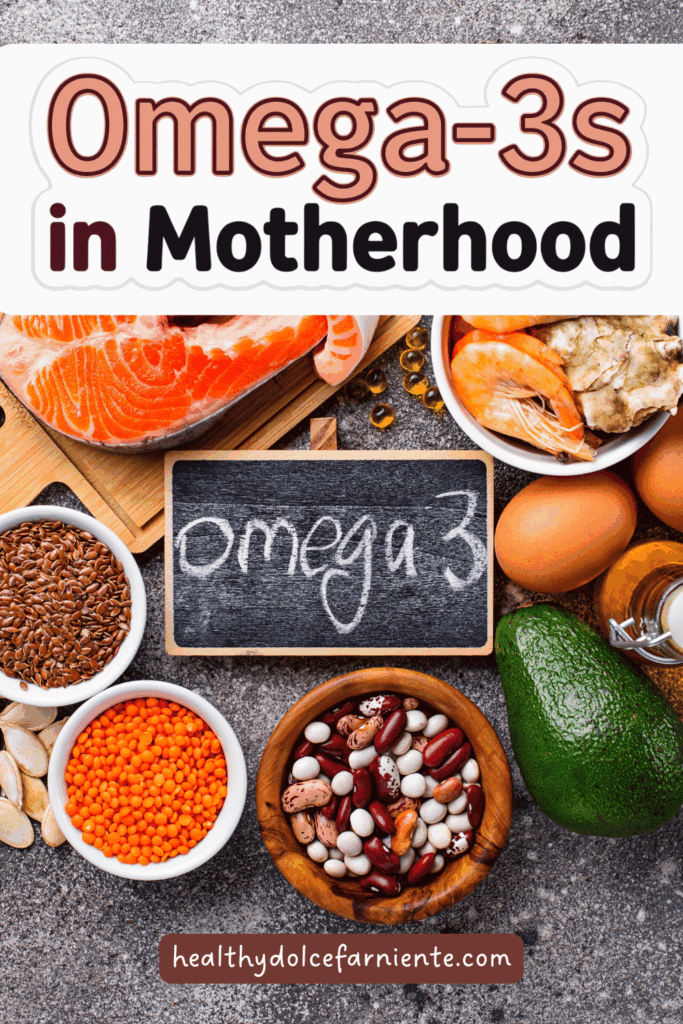
Why Omega-3 Is Especially Important for Mothers
Motherhood places unique demands on your body. During pregnancy and breastfeeding, your body transfers omega-3s—especially DHA—to your baby to support their brain development.
Which means your own stores can become depleted. And if they’re not replenished, this depletion can affect:
- Your mood
- Your cognitive function
- Your emotional resilience
Research suggests that higher omega-3 levels during pregnancy are associated with a lower risk of postpartum depression, although the latest publication suggests that more studies should be done.
At the same time, chronic stress, lack of sleep, and mental load—all very real parts of motherhood—can increase inflammation in the body.
Omega-3s help regulate that inflammation. They support your nervous system and help your brain communicate more effectively. And slowly, gently, they can help create more emotional stability (4).
How Omega-3 Supports Mood Stability
Omega-3s work in ways that are both subtle and powerful.
They help:
- Maintain the flexibility of brain cell membranes, allowing better communication between cells
- Support neurotransmitters like serotonin and dopamine
- Reduce inflammation, which is increasingly linked to mood disorders
- Regulate stress responses in the body
This is why, over time, you may notice:
- Fewer emotional highs and lows
- More stable energy
- A greater sense of calm
- Improved focus and clarity
Omega-3 Rich Foods
You don’t need a complicated plan to increase your omega-3 intake. You just need to know where to find it—and how to include it in a way that fits your life.
Some of the richest sources include:
- Fatty fish like salmon, sardines, and mackerel
- Eggs (especially omega-3 enriched)
- Walnuts
- Flaxseeds, chia seeds, Hemp seeds (5)
For plant-based moms, it’s important to know that plant sources provide ALA (alpha-linolenic acid), which the body converts into EPA and DHA—but only in small amounts. So consistency matters more than quantity.
Simple Ways to Add Omega-3 Into Your Day
This is where it becomes real. Because knowing is one thing—but doing, in the middle of motherhood, is another. So instead of overcomplicating it, think in small shifts. Add a spoonful of chia seeds to your breakfast or to your dinner.
Maybe eat a handful of walnuts as a snack with one apple, or just add them to your oats. A simple salmon meal once or twice a week. Prepare it as your children love it. Maybe they love it crispy baked, in oil, like my children. Yes, this is where you can simplify motherhood as much as you can, and let’s be realistic: sometimes it is not easy to make healthy food that everyone loves. So, I chose to make crispy salmon nuggets once a week for 2-3 days (all you need is salmon, eggs, flour, bread crumbs, and seasoning). I add veggies, maybe one day rice, then smashed potatoes.
P.s. You can make them in the Airfryer too.
Easy, Nourishing Recipe Ideas
You don’t need to cook elaborate meals to support your body. In fact, the simpler, the better.
A soft, supportive breakfast
A bowl of yogurt or oatmeal with chia seeds, flaxseeds, and berries. It takes minutes—but supports your blood sugar, gut, and mood.
A quick, grounding lunch
A bowl with rice or quinoa, roasted vegetables, olive oil, and a handful of walnuts or seeds.
A simple dinner that works for everyone
Oven-baked salmon with olive oil, lemon, and herbs, served with soft vegetables or potatoes.
Mid-morning or afternoon snack ideas that actually sustain you
Apple slices with walnut butter or a few walnuts
A handful of nuts and seeds, with an apple or some berries.
A smoothie with flax or chia seeds, if you are a smoothie-girl/mom.
My thoughts as a neuroscientist mom
When you’re tired, it’s easy to think food doesn’t make that much of a difference. That’s just about getting through the day, which, let’s face it, is what we feel most of the days…
But your body is always responding. Every meal either supports your nervous system or adds more stress to it.
And as a mom, I do not need more stress in my life. And omega-3s are one of those quiet supports that make a real difference over time. I really hope you will find your omega-3s to support your mood stability and overall well-being.