With Love, Katie.
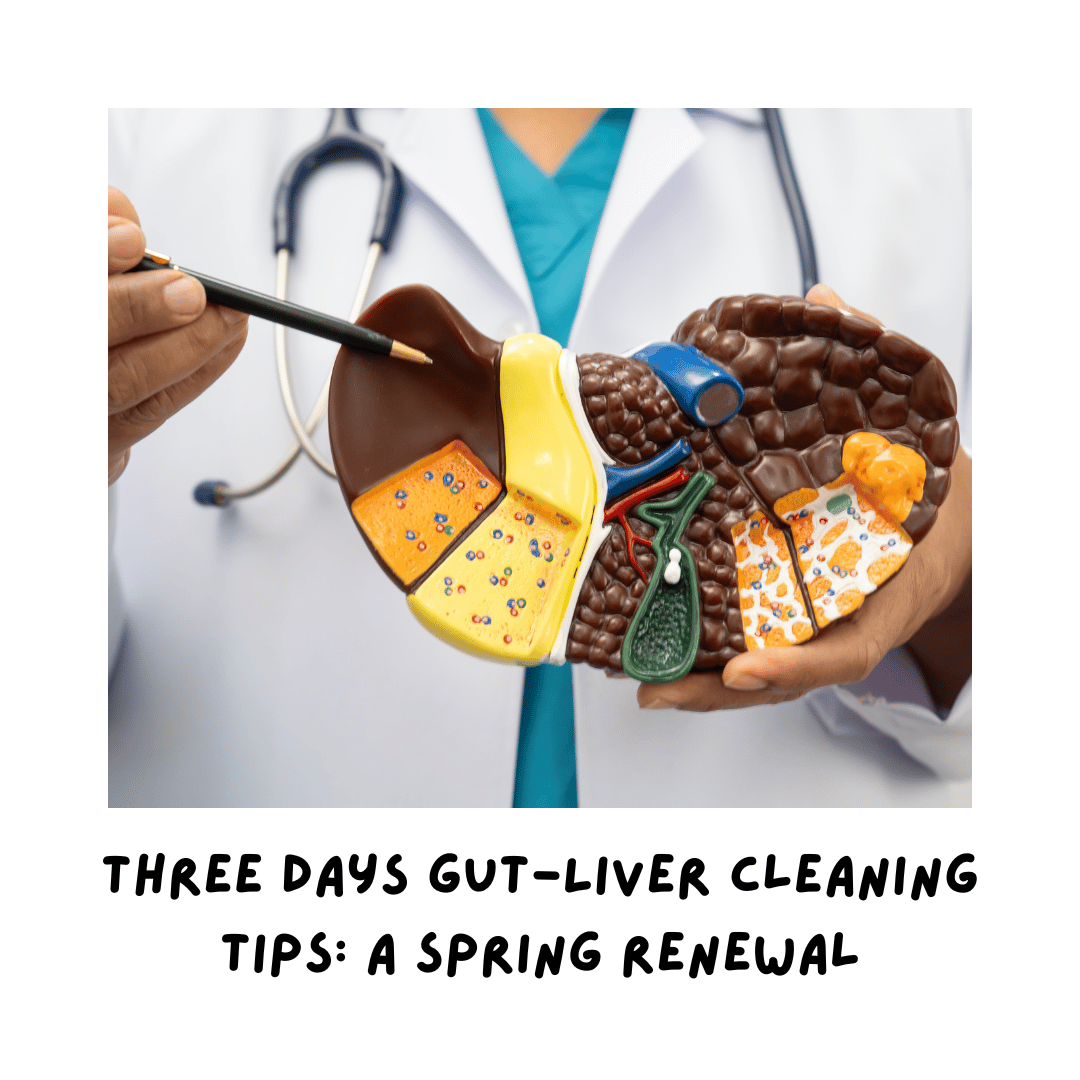

There’s something about spring that invites us to begin again. You feel it in the light, in the air, in the quiet urge to open windows and clear space—not just in your home, but in your body too.
Personally, I’ve always believed in longer, slower cleansing periods. The kind that follow the rhythm of the seasons, like a gentle Lenten reset that lasts a few weeks (I believe in the power of the 40 days of Lent before Easter, practiced in a lot of religions). Those deeper transitions have their place. But in real life—especially in motherhood—that kind of time isn’t always available. And this is where a shorter reset becomes incredibly powerful.
A simple three-day gut–liver reset can create a noticeable shift. It’s not about doing something extreme or restrictive. It’s about pausing, simplifying, and giving your body a small window of focused support.
You might have heard of the fasting-mimicking diet, which works on a similar principle—giving your body a break from constant digestion while still nourishing it enough to function well. While we’re not going that far here, the idea is similar: less burden, more support.
For a few days, you create space for your body to do what it already knows how to do—clean, repair, and rebalance. I hope that these three days of gut-liver cleaning process will make your whole month feel better and more energized.
Why Focus on the Gut and Liver?
Your gut and your liver are constantly working for you—quietly, in the background. Firstly, your gut digests, absorbs, and communicates with your brain and hormones. Then, your liver filters, detoxifies, and processes everything from food to stress hormones. When these two systems are supported, you feel it.
Your energy becomes steadier. Your digestion feels lighter and your mind a little clearer.
But when they’re overwhelmed—by stress, processed foods, sugar, caffeine, or simply the pace of daily life—they slow down.
And you may notice:
- Bloating and discomfort
- Persistent fatigue
- Brain fog
- Hormonal fluctuations
- Cravings that feel hard to control
A short reset gives these systems a chance to catch up. Not by forcing them—but by lightening their load.
Hydration as a Foundation
One of the simplest—but most powerful—things you can do during a reset is increase your fluid intake. Your body needs water to flush out waste, support digestion, and keep everything moving smoothly.
Without enough fluids, detoxification slows down. This doesn’t mean forcing liters of plain water if it feels unnatural. Instead, think in terms of gentle, nourishing liquids throughout the day.
Warm water with lemon in the morning can help stimulate digestion. Herbal teas can calm your nervous system while supporting your liver. Light broths can provide minerals while being easy to digest.
Bitter Vegetables
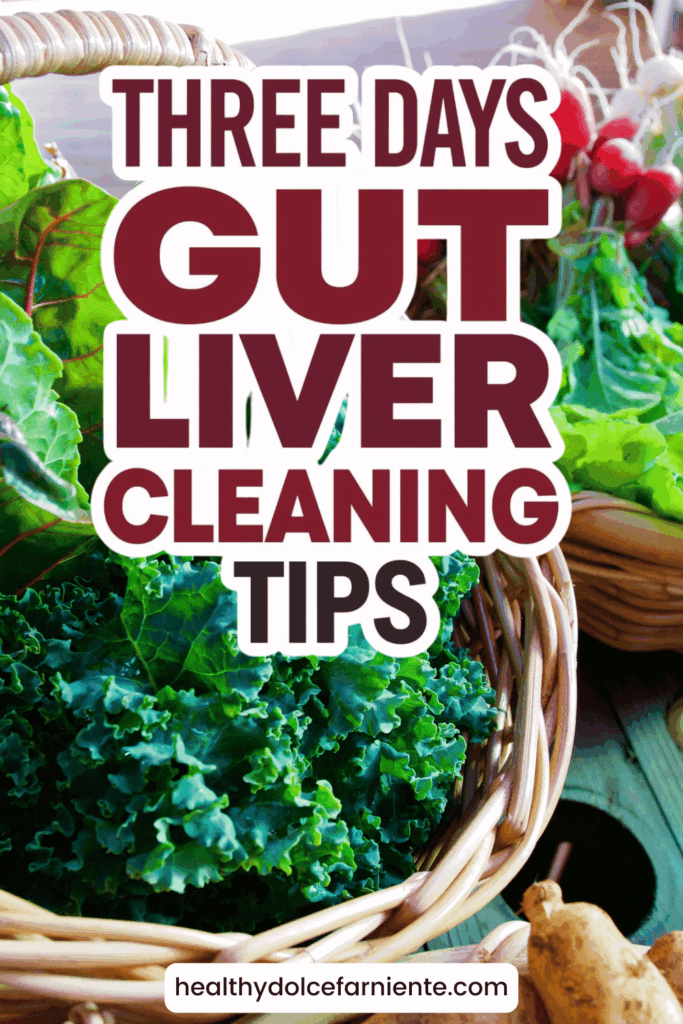
In modern diets, bitterness is almost completely missing. And yet, bitter foods are exactly what your digestion craves—especially when your system feels sluggish.
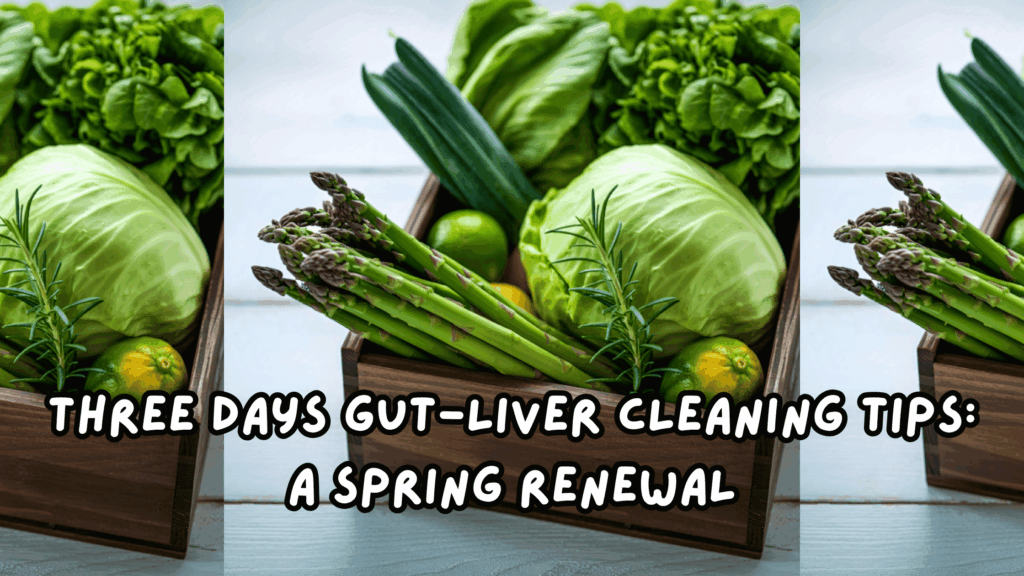
Bitter vegetables like arugula, dandelion greens, radicchio, and even lightly steamed broccoli help stimulate bile production. Bile is essential for breaking down fats and eliminating toxins from the body.
Without it, digestion slows, and your liver has to work harder. Adding even a small amount of bitter foods can gently wake up your digestive system.
It doesn’t have to be complicated. A simple salad with olive oil and lemon or a handful of greens added to your meal. Maybe a few leaves alongside your plate: start small, stay consistent.
Fiber: Supporting Elimination and Balance
If your body is clearing out what it no longer needs, it also needs a way to carry it out. This is where fiber becomes essential.
Fiber binds to waste and excess hormones—especially estrogen—and helps remove them through your digestive system. Without enough fiber, toxins and hormones can be reabsorbed, leaving you feeling heavy, bloated, and out of balance.
During these three days, focus on soft, easy-to-digest sources of fiber. Cooked vegetables, soups, simple grains, and gentle legumes can all support this process without overwhelming your system.
What to Avoid
Just as important as what you add is what you temporarily remove.
For these three days, it’s helpful to step away from a few common foods that place extra stress on your gut and liver.
Sugar can spike your blood sugar and increase inflammation, making it harder for your body to regulate energy and hormones.
Coffee—while comforting and familiar—stimulates your nervous system and can put additional pressure on your adrenal system, especially when you’re already tired.
Gluten can be difficult to digest for many people, contributing to bloating and gut irritation, even without a formal sensitivity.
Meat, particularly heavier or processed forms, requires more effort to digest and can slow things down when your body is trying to reset.
This isn’t about labeling these foods as “bad.” It’s simply about giving your body a short break from digesting heavier, more demanding foods—so it can focus on repair instead.
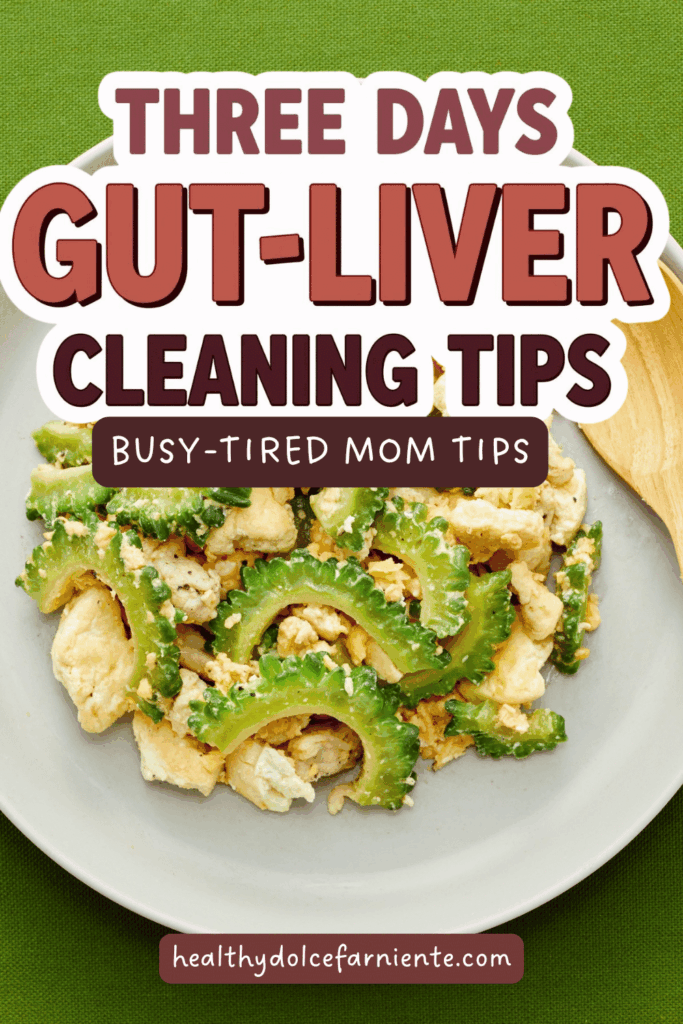
Your 3-Day Gut–Liver Reset: Step by Step
Think of these three days as a gentle progression—each day building on the one before. You’re not forcing your body, but rather guiding it.
Day 1 – Prepare and Reset
The first day is about slowing things down and preparing your body. Instead of jumping straight into detox, you begin by reducing the load on your digestion. This gives your gut and liver the space they need to start functioning more efficiently.
Your body is shifting from “constant processing” into a calmer, more supported state. When you reduce heavy, inflammatory foods, your body can redirect energy toward repair instead of digestion.
Focus on: light, simple, easy-to-digest meals.
Avoid: sugar, coffee, gluten, processed foods, meats.
What to eat: cooked vegetables, light grains, soups, healthy fats, and gentle fiber.
A simple day could look like:
Breakfast:
Warm oatmeal with chia seeds, a few berries, and a drizzle of honey. Herbal tea or warm lemon water.
Lunch:
Vegetable soup (carrots, zucchini, greens) with olive oil and a side of quinoa or rice.
Dinner:
Steamed or roasted vegetables with sweet potato and a drizzle of olive oil.
Snack ideas:
- Apple with a handful of nuts
- Carrot sticks with hummus
- Herbal tea and a small handful of seeds
- Cucumber and celery juice
This day should feel calming—not restrictive.
Day 2 – Detox
This is the day where your body naturally begins to release and clear. Your digestion is lighter, your system is more open, and your liver is ready to do its work. This is where hydration, bitter foods, and fiber become especially important.
Your body is actively processing and eliminating toxins and excess hormones. Supporting this phase makes the process smoother and more effective.
Focus on: liquids, bitter vegetables, fiber, and very simple meals.
Avoid: anything heavy, stimulants (especially coffee), sugar, and processed foods.
What to eat: soups, broths, greens, lightly cooked vegetables, fermented foods in small amounts.
A simple day could look like:
Breakfast:
Warm lemon water, followed by a green smoothie (spinach, cucumber, apple, chia seeds, water or plant milk).
Lunch:
Light vegetable broth with greens, carrots, and a spoonful of sauerkraut on the side.
Dinner:
Steamed vegetables (broccoli, zucchini, greens) with olive oil and herbs.
Snack ideas:
- Herbal teas throughout the day
- A small bowl of berries
- A few spoonfuls of yogurt or kefir
This day may feel lighter—both physically and mentally.
Day 3 – Rebuild
The final day is about gently nourishing and rebuilding. After clearing and simplifying, your body is more receptive to nutrients. This is the moment to support your gut microbiome and stabilize your energy. Your body needs nourishment to restore balance—especially for hormones, energy, and nervous system support.
Focus on: fiber, fermented foods, grounding meals, and stable blood sugar.
Avoid: jumping back into sugar, caffeine, or heavy processed foods too quickly.
What to eat: balanced meals with fiber, healthy fats, and gentle protein (plant-based or light options).
A simple day could look like:
Breakfast:
Yogurt or kefir with oats, chia seeds, and berries.
Lunch:
Quinoa bowl with roasted vegetables, leafy greens, and a spoonful of fermented vegetables.
Dinner:
Lentil stew or vegetable soup with herbs and olive oil.
Snack ideas:
- Apple with almond butter
- A handful of nuts or seeds
- Herbal tea with a small piece of dark chocolate
What These Three Days Can Feel Like
You might expect something dramatic. But often, the changes are quiet. You may feel lighter in your body, less bloated and your energy might feel more stable, even if you’re still tired.
You might notice your mind feels clearer, your mood more even. And sometimes, you simply feel a little more present.
Maybe sometimes only three days of gut-liver cleaning, aka lighter meals, more hydration, and choosing support over pressure can make your whole month better.