With Love, Katie.
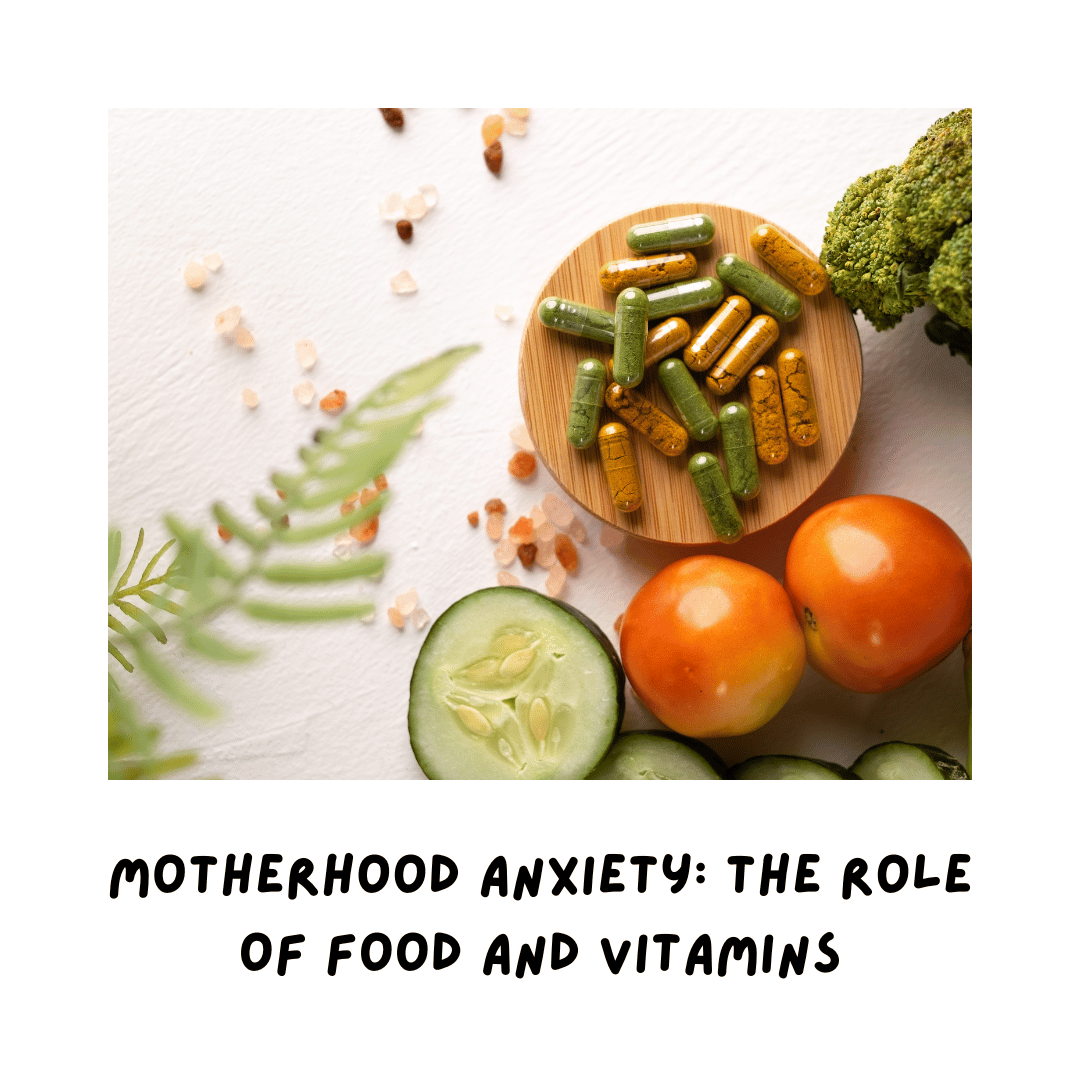

Motherhood is often described as beautiful, fulfilling, and transformative. It is my personal opinion that motherhood makes us stronger, more resilient, and it learns us to have patience. Yet beneath the soft-focus glow of baby photos and milestone celebrations lies a quieter reality: motherhood anxiety.
Today, more mothers than ever report feeling overwhelmed, overstimulated, and chronically anxious. While emotional, social, and hormonal factors all play a role, one powerful – and often overlooked – contributor is nutrition. The food we eat directly affects our nervous system, hormone balance, and mental resilience.
In this article, we’ll explore a few things. All this information is science-based, and please do not forget: I also have a PhD in Clinical Medicine, so I love educating moms.
- How motherhood used to look in traditional societies
- How modern life has intensified motherhood anxiety
- The invisible load mothers carry
- The connection between food, vitamins, and anxiety
- The top 10 foods that naturally support calm and emotional balance
Let’s begin at the beginning.
Motherhood Then
For most of human history, motherhood was not a solo journey. Women raised children within extended families and tight-knit communities. Grandmothers, sisters, aunts, and neighbors shared both the physical and emotional load of caring for babies and young children.
There is a well-known proverb often quoted in parenting circles:

“It takes a village to raise a child.”
It also takes a village to support a mother.
There was rhythm and structure to daily life. Meals were prepared collectively. Food was seasonal, local, and nutrient-dense by necessity. Mothers were rarely alone for long stretches. If one woman was exhausted, another stepped in. If a baby cried, there were multiple arms available to soothe.
The responsibility for keeping everyone alive did not rest on a single pair of overwhelmed shoulders.
Importantly, postpartum care was sacred.
In many traditional cultures, recovery lasted 30–40 days — sometimes longer. During this period, the mother’s only responsibilities were to heal and bond with her baby. She was fed warm broths rich in collagen and minerals, iron-dense organ meats to replenish blood loss, fermented foods to restore gut health, and slow-cooked stews designed to rebuild strength. These were not luxury wellness rituals. They were practical, generational knowledge rooted in survival.
Women understood intuitively what science now confirms: childbirth depletes nutrients, and recovery requires intentional nourishment.
Beyond food, there was emotional containment. New mothers observed experienced women. They learned through presence, not pressure. There was reassurance in shared stories — “This is normal.” “You are doing well.” “I’ve been there too.”
That communal buffering regulated stress hormones. It protected mental health.
In contrast, modern motherhood often looks very different.
Modern Motherhood
Today’s mother is expected to:
- Be emotionally available
- Maintain a clean and organized home, almost a Pinterest-good-looking-home
- Possibly work outside the home, because for some people being a SAHM seems to be a bad choice
- Manage finances
- Plan meals and cook them by the time your hubby is home
- Track school schedules
- Monitor developmental milestones
- Maintain her body
- Nurture relationships
All while smiling. So here again, we have a lot of reasons to feel motherhood anxiety.
However, unlike earlier generations, many women lack daily physical support. Families are smaller. Communities are scattered. Social media creates unrealistic standards, and only a few influencers are very honest about having nannies.
The “village” has largely disappeared.
As a result, mothers carry what psychologists call the invisible load — the mental and emotional labor of anticipating needs, planning, remembering, and regulating everyone’s emotions.
This invisible load keeps the nervous system in a near-constant state of alert. Over time, chronic stress depletes key nutrients, such as magnesium, B vitamins, and omega-3 fatty acids, all of which are essential for emotional regulation.
And this is where food becomes more than fuel.
Your Little Anxiety Checklist
Motherhood anxiety is often quiet and subtle. It doesn’t always look like panic — sometimes it feels like constant tension, mental noise, or being easily overwhelmed. A little anxiety is normal. But when your nervous system rarely relaxes, it may need gentle support.
A simple self-check:
- Do you feel “on edge” most days?
- Is your sleep light, even when you’re tired?
- Do small tasks feel bigger than they should?
- Are you snapping more easily than usual?
- Do you struggle to fully relax?
If you answered yes to several, your body may just need rest, nourishment, and regulation — not pressure.
The Link Between Nutrition and Motherhood Anxiety
Anxiety is not “just in your head.” It is deeply biological. When we are stressed, the body increases cortisol production (1, PMC10706127). Chronic cortisol elevation depletes:
Meanwhile, poor nutrition can worsen anxiety by:
- Disrupting blood sugar levels, especially if you are likely to skip your breakfast
- Altering gut microbiome balance
- Reducing serotonin production, which is so important for your overall well-being
- Increasing inflammation
Approximately 90% of serotonin — the “feel good” neurotransmitter — is produced in the gut. Therefore, what we eat directly influences mood stability.
The good news? Strategic, nutrient-dense foods can naturally support calmer moods.
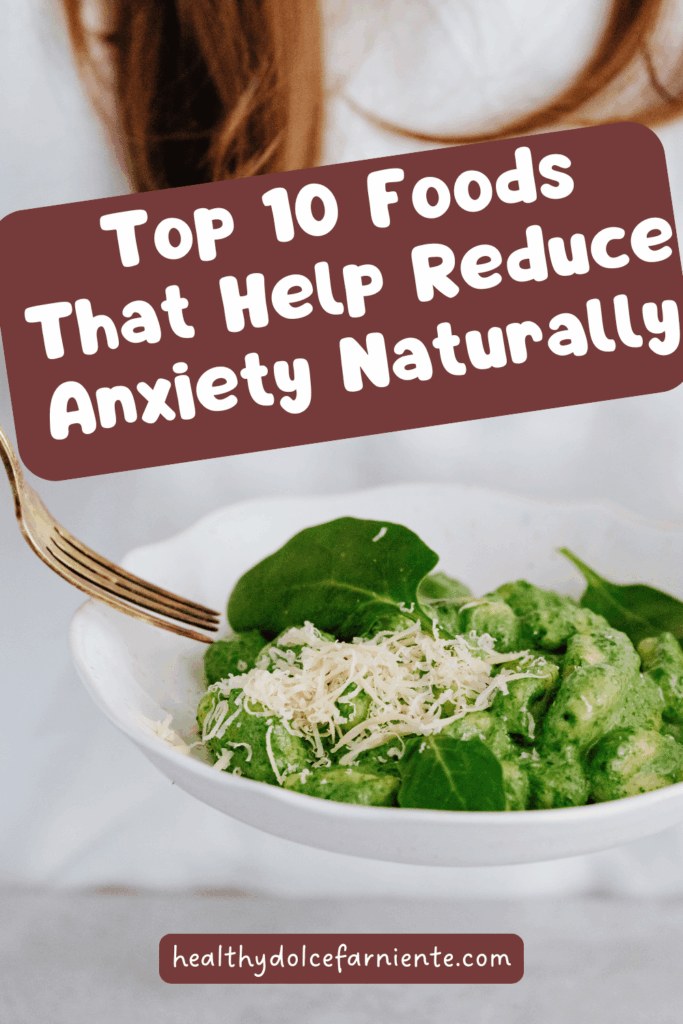
Top 10 Foods That Help Reduce Motherhood Anxiety Naturally
Below are ten powerful foods that nourish the nervous system, stabilize mood, and support overwhelmed mothers.
1. Salmon
Salmon is rich in omega-3 fatty acids (EPA and DHA), which reduce inflammation and support brain function. Low omega-3 levels are linked to higher anxiety and depression rates. Omega-3s help regulate cortisol and improve serotonin signaling.
Additionally, salmon provides:
- Vitamin D (your “sunshine vitamin”, 5)
- Vitamin B12
- Selenium
Vitamin D deficiency is common in modern mothers — especially those spending more time indoors — and is associated with mood disorders.
2. Spinach
Spinach is high in magnesium, a mineral often called “nature’s relaxation nutrient.” Magnesium helps regulate the nervous system, relax muscles, and improve sleep. Chronic stress rapidly depletes magnesium stores.
Spinach also contains:
- Folate (Vitamin B9)
- Iron (trust me, it has a lot of it…)
- Vitamin C (helps absorb iron)
Folate is essential for neurotransmitter production (6), including dopamine and serotonin.
3. Pumpkin Seeds
Pumpkin seeds are tiny but powerful. They are rich in:
- Zinc
- Magnesium
- Tryptophan (which is used for the production of your happy-hormone, serotonin (7))
Tryptophan is an amino acid that converts into serotonin. Zinc plays a role in regulating stress response and immune balance.
4. Eggs
Eggs are a nutritional powerhouse. They contain:
- Choline (important for brain health)
- Vitamin B12
- Protein
- Vitamin D
Protein stabilizes blood sugar, preventing mood crashes that mimic anxiety symptoms. I love having scrambled eggs in the mornings, with some fats and salt. It is everything your body needs in the morning, so she knows: she (aka your body) is safe.
5. Greek Yogurt
The gut-brain connection is critical. Greek yogurt contains probiotics, beneficial bacteria that support gut health.
A balanced gut microbiome reduces inflammation and supports serotonin production.
It also provides:
- Calcium
- Protein
- B vitamins
If you are vegan or have cow-milk allergies, like my babies, then I recommend the fermented yoghurts. They are tasty, they support your gut too.
6. Blueberries
Blueberries are rich in antioxidants, especially anthocyanins. Chronic stress increases oxidative stress in the brain. Antioxidants help protect neurons from damage. They also provide Vitamin C, which helps regulate cortisol.
7. Oats
Oats are complex carbohydrates that stabilize blood sugar. Stable blood sugar equals stable mood.
They also contain:
- Magnesium
- Fiber
- B vitamins
Fiber feeds beneficial gut bacteria, supporting mental resilience. I always say I am more likely a “war-breakfast” mom, but I find myself in weekends eating oats in the morning. It is not a bad choice, but it should not be your every-morning choice.
8. Avocado
Avocados are rich in:
- Healthy monounsaturated fats
- Potassium
- Folate
Healthy fats support brain cell structure, while potassium helps regulate blood pressure — often elevated during stress.
9. Dark Chocolate (70%+)
High-quality dark chocolate contains minerals and bioactive compounds, such as magnesium and flavonoids. Flavonoids improve blood flow to the brain. Additionally, dark chocolate stimulates endorphin production — your body’s natural mood elevators (8).
Moderation is key.
10. Chamomile Tea
Chamomile contains apigenin, an antioxidant that binds to receptors in the brain, promoting relaxation.
While not a vitamin source, herbal teas provide ritual, warmth, and nervous system cues that signal safety.
Beyond Food…My words as a mom
Although nutrition is powerful, it cannot replace support. We, mothers, need a community, rest, emotional validation from our loved ones, and shared responsibility.
However, food can strengthen the biological foundation needed to cope with stress.
Small changes — adding pumpkin seeds to oatmeal, eating protein (eggs) at breakfast, choosing salmon twice a week — can gradually reduce anxiety intensity.
The Invisible Load and Nutrient Depletion
The constant mental tracking of family needs keeps mothers in “fight or flight” mode. Over time, this depletes:
- Magnesium → increased tension
- B vitamins → poor stress tolerance
- Iron → fatigue mistaken for anxiety
- Omega-3 → mood instability
Therefore, I recommend that you start making time for meal-planning. It is essential and a long-term investment.
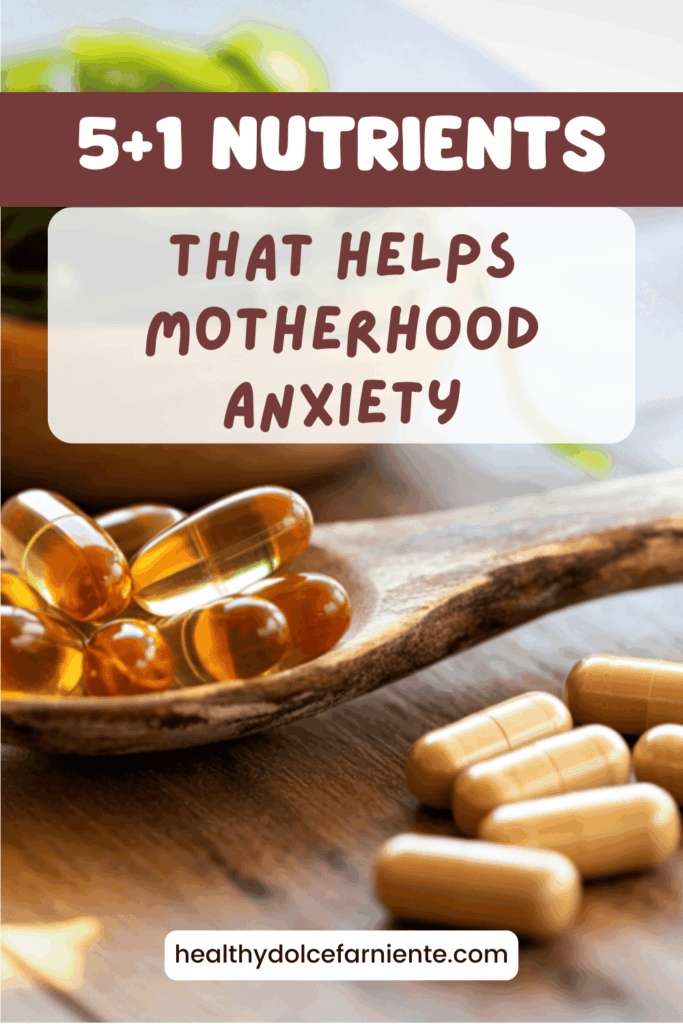
5+1 Supplements to Help With Motherhood Anxiety
While food should always be the foundation, modern motherhood often comes with depleted nutrient stores. Chronic stress, pregnancy, breastfeeding, poor sleep, and the invisible mental load can quickly drain the body of key vitamins and minerals. In such cases, targeted supplementation may offer additional support.
Here are 5+1 supplements for anxiety that are especially beneficial for mothers:
1. Magnesium (Preferably Organic Forms)
Magnesium is often called the “anti-stress mineral.” It regulates the nervous system, relaxes muscles, and supports healthy sleep. However, not all magnesium supplements are created equal. Fresh studies prove all of this (9: a review of 15 studies found that magnesium supplements are effective in easing mild anxiety).
Organic magnesium forms — such as magnesium glycinate, citrate, or malate — are better absorbed by the body compared to inorganic forms like magnesium oxide. Better absorption means the body can actually use the mineral efficiently, leading to more noticeable calming effects.
2. Vitamin D
Vitamin D functions more like a hormone than a vitamin. Low levels are strongly associated with anxiety and mood disorders (11). Since many mothers spend long hours indoors, deficiency is common.
Adequate vitamin D supports immune balance, reduces inflammation, and plays a role in serotonin production.
3. Omega-3 Fatty Acids
High-quality omega-3 supplements (especially those rich in EPA and DHA) support brain health and reduce inflammation. They help regulate cortisol levels and improve emotional resilience.
Maybe it is time for you to have a good chia pudding for dinner or to add more fish to your diet.
4. Vitamin C
Chronic stress rapidly depletes vitamin C. This antioxidant supports adrenal health and helps regulate cortisol levels. It also strengthens the immune system, crucial for busy mothers. Eat citrus, broccoli, peppers, tomatoes… they all contain naturally occurring vitamin C.
(Not that it matters, but did you know that Vitamin C was discovered by the Hungarian biochemist Albert Szent-Györgyi, who was awarded the 1937 Nobel Prize in Physiology or Medicine for discovering vitamin C (ascorbic acid) from red pepper? Sorry, but as a Hungarian mom, I had to write this to you.
5. L-Theanine
L-theanine is an amino acid found naturally in green tea (and matcha too, so say bye to coffee and start drinking matcha). It promotes relaxation without causing drowsiness. It works by increasing alpha brain waves and balancing neurotransmitters like GABA and dopamine.
Have a good matcha instead of a second or third coffee. It is very rich in theanine.
+1: B-Complex Vitamins
Although often overlooked, B vitamins are essential for stress tolerance and energy production. They support neurotransmitter synthesis and help prevent fatigue-related anxiety. Neurotransmitters, such as serotonin, are very important in mood regulation.
If possible, switch your chocolate to some good dark chocolate. It really increases serotonin.
Before starting any supplement, it is wise to consult a healthcare professional, especially during pregnancy or breastfeeding. However, when used appropriately, these nutrients can gently support a calmer, more resilient motherhood journey and help you in your motherhood anxiety journey.
Final Thoughts
Motherhood was never meant to be carried alone. While modern life may not easily restore the traditional village, mothers can begin by rebuilding internal resilience. Nutrient-dense food, stable blood sugar, and gut health are foundational tools in reducing motherhood anxiety naturally.
Eating well is not vanity. It is nervous system protection.
If you are a mother feeling overwhelmed, start small. Motherhood anxiety is common, but not often talked about. Add one calming food today. Drink water. Eat protein. Sit for five minutes with warm tea and try to empty your mind.