With Love, Katie.
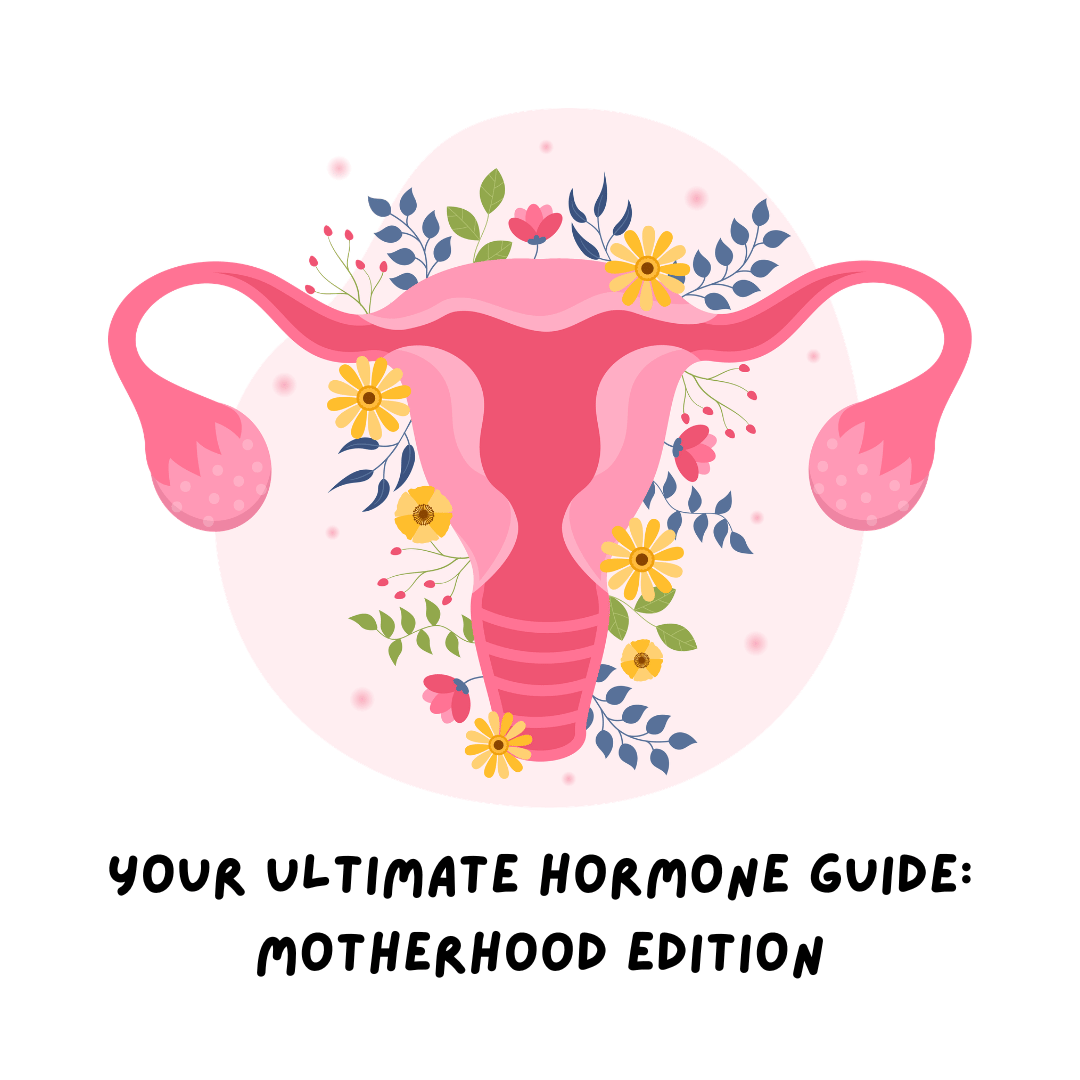

Why I Want to Talk About Hormones in Motherhood
Before becoming a mother, I worked as a neuroscientist studying different molecules, including hormones and their effects on the brain and behavior. Now, as a former researcher, I love spending time on PubMed (you can find a lot of scientific papers there), and I love reading how different hormones influence mood, stress responses, and emotional regulation. At the time, these concepts existed mostly in scientific papers, laboratory data, and academic discussions.

But motherhood changed the way I understood this science.
Suddenly, the theories I had studied for years became part of daily life. The emotional shifts, the sudden waves of exhaustion, the moments of deep love and connection, and the occasional feeling of being overwhelmed all have biological foundations.
This is one of the main reasons I find it so important to talk about hormones when we discuss motherhood. Not in a complicated or intimidating way, but in a way that helps mothers understand that many of their emotional experiences are not personal weaknesses or failures. They are often deeply connected to the biology of the body and brain.
This blog post may sound a little scientific at times, but my goal is simple: to explain what happens inside the body in a way every mother can understand. Because when we understand what is happening biologically, it becomes easier to approach motherhood with more compassion for ourselves.
The Hormones That Shape Mood and Emotional Well-Being
Disclaimer: This is a very short and easy subheading about our hormones. The whole part will be scientifically explained later, with extensive references. Make sure you will not be overwhelmed after this part. If you understand this and it’s enough, please skip the next part. I am here to help you and support your motherhood journey. I know, as a mom of two, that sometimes too much information can make us overwhelmed.
Mood-hormones
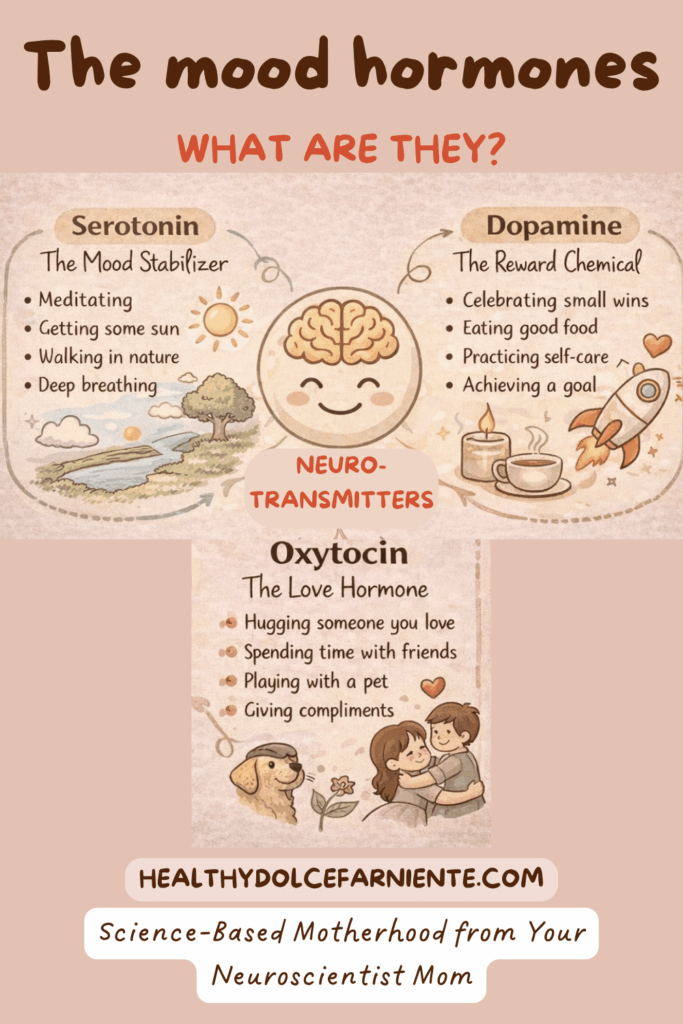
Our emotional life is strongly influenced by several key hormones and neurotransmitters that work together inside the brain and body. Some of these are often called “mood hormones.”
One of the most well-known is serotonin. Serotonin plays an important role in stabilizing mood, supporting sleep, regulating appetite, and helping the brain maintain emotional balance. When serotonin levels are stable, people tend to feel calmer and more emotionally resilient.
Another important chemical messenger is dopamine, which is often associated with motivation and reward. Dopamine is what allows us to feel satisfaction when we complete tasks, care for our children, or experience joyful moments. It helps create a sense of motivation and engagement with life.
A third hormone that becomes especially important in motherhood is oxytocin, often called the “bonding hormone.” Oxytocin supports emotional connection, trust, and attachment. During pregnancy, birth, and breastfeeding, oxytocin levels increase significantly, helping mothers bond with their babies and respond sensitively to their needs.
Feminine reproductive hormones
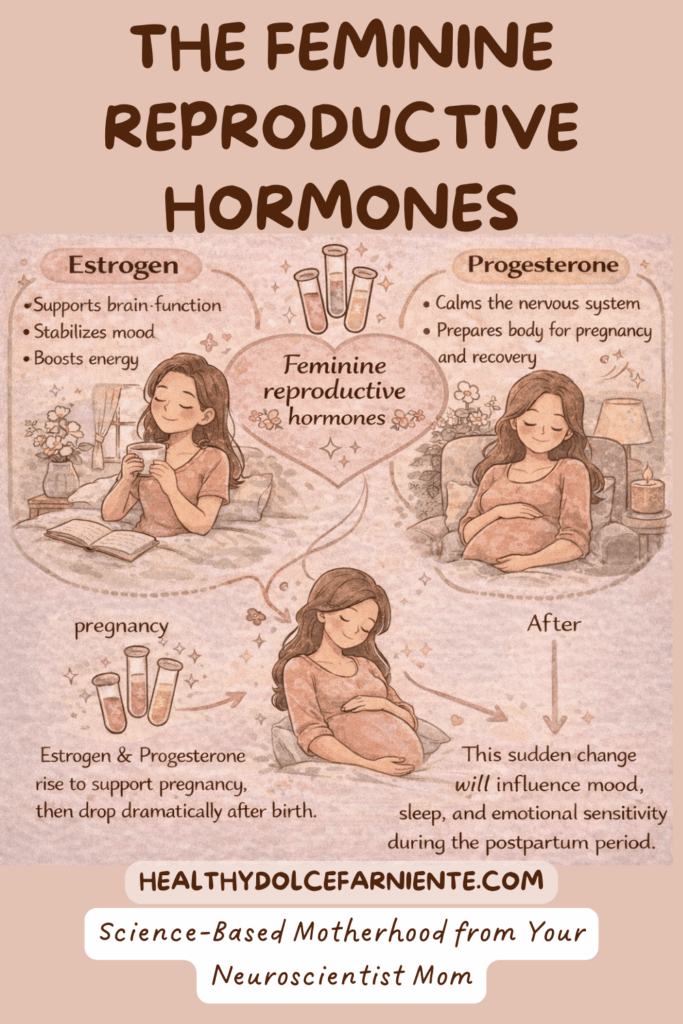
In addition to these mood-related hormones, women also experience the influence of feminine reproductive hormones, particularly estrogen and progesterone.
Estrogen supports brain function, mood stability, and energy levels. Progesterone, on the other hand, has calming effects on the nervous system and helps prepare the body for pregnancy and recovery.
These hormones naturally fluctuate throughout a woman’s menstrual cycle, but during pregnancy, they change dramatically. Estrogen and progesterone rise to levels much higher than at any other time in life, supporting the development of the baby and preparing the mother’s body for birth. After birth, however, these hormone levels drop rapidly, triggering one of the most significant hormonal shifts the body can experience.
For many mothers, this sudden change can (I should say Will?) influence mood, sleep, and emotional sensitivity during the postpartum period.
Stress Hormones and the Invisible Load of Motherhood
Alongside these mood and reproductive hormones, another hormone plays a powerful role in daily life: cortisol, the body’s primary stress hormone.
Cortisol helps the body respond to challenges and maintain alertness. In short bursts, it is helpful. It gives us the energy needed to react quickly and manage demanding situations. But when cortisol remains elevated for long periods, it can begin to affect mood, sleep, digestion, and emotional balance.
Modern motherhood often includes something researchers sometimes call the “invisible load.” This refers to the mental and emotional work of managing a household and caring for children: planning meals, keeping track of schedules, anticipating needs, and solving problems before they arise.
Although much of this work happens quietly, the brain still processes it as an ongoing responsibility. Over time, this mental load can contribute to chronic stress signals in the nervous system, keeping cortisol levels higher than ideal.
Please read a short subheading about the sympathetic and parasympathetic responses of your nervous system.
When we combine hormonal shifts after pregnancy with the constant responsibilities of motherhood, it becomes easier to understand why many mothers feel emotionally stretched or exhausted.
Understanding these biological processes does not make motherhood easier overnight. But it does help us see that the emotional experiences of motherhood are deeply connected to the body’s natural systems.
And once we understand those systems, we can begin to support them in healthier ways.
The Hormones Behind Motherhood: Scientifically Explained
Motherhood is often described as an emotional journey, but from a biological perspective, it is also a hormonal journey. Several hormones and neurotransmitters constantly interact to influence mood, stress levels, digestion, sleep, and emotional bonding.
These hormones do not act independently. They are closely connected to the nervous system, the gut microbiome, circadian rhythms, and everyday lifestyle factors such as sleep, food, and stress.
Understanding these hormones helps mothers see that many emotional shifts have biological roots, not personal failure.
Serotonin
Serotonin is one of the most important neurotransmitters involved in emotional regulation. It supports mood stability, sleep, appetite, and digestion. What many people do not realize is that about 90–95% of the body’s serotonin is produced in the gut, not in the brain (1).
Specialized cells in the gastrointestinal tract produce serotonin in response to nutrients and signals from the gut microbiome.
Because of this connection, gut health can strongly influence mood.
Low serotonin activity has been associated with (2):
- anxiety
- depressive mood
- sleep disturbances
- irritability
Serotonin also helps regulate melatonin, the hormone responsible for sleep cycles. This means that disrupted serotonin signaling can contribute to difficulty falling asleep or staying asleep (3).
For mothers, serotonin levels can fluctuate due to sleep deprivation, stress, hormonal shifts after birth, and irregular eating patterns.
For example, if a mother skips meals while caring for children all day, her blood sugar levels can drop. This can affect the availability of tryptophan, the amino acid required for serotonin production. The result may be increased irritability, fatigue, or emotional sensitivity.
Supporting gut health with balanced meals, fiber-rich foods, and adequate protein can indirectly support serotonin production.
Now, of course, you have to know, eating a lot of tryptophan-rich food will not immediately solve your problems, as tryptophan has to do a hard job to get into your stomach…But eating healthy proteins, like fish (salmon), turkey, tofo or nuts with oats will really support your overall well-being. Try to exercise daily and get some sun! Sun will always fix your problems (more or less).
Dopamine
Dopamine is often called the reward neurotransmitter, but its role is much broader. It regulates motivation, attention, pleasure, and the brain’s ability to experience satisfaction (4).
In motherhood, dopamine is involved in the sense of reward that occurs when caring for a child. Simple moments such as hearing a baby laugh or seeing a child learn something new activate dopamine pathways in the brain.
However, dopamine levels (like those of any other neurotransmitter) can fluctuate with stress, sleep, and lifestyle factors.
Chronic stress or exhaustion can reduce dopamine signaling, leading to symptoms such as:
- low motivation
- mental fatigue
- difficulty concentrating
- lack of pleasure in daily activities
Dopamine is also connected to the gut-brain axis. The gut microbiome influences dopamine production by affecting amino acid metabolism and signaling pathways (5).
Sleep also plays a major role. Dopamine receptors become less sensitive when sleep is consistently disrupted — something many mothers experience during early parenthood. For example, a mother who wakes several times per night for weeks may notice that even simple tasks begin to feel overwhelming. This is partly because dopamine signaling becomes less efficient when the brain does not receive enough restorative sleep (6, 7).
Balanced meals with adequate protein, sunlight exposure, and regular sleep patterns can support dopamine regulation. Now, once again, dopamine too is made from an amino acid, so eating good-quality protein will help your neurotransmitters. Do not forget to eat a good, nutritious, protein-rich breakfast, for example, and add turkey, salmon, eggs, soy, tofu and nuts to your diet. Make sure you move a lot, take a walk in the sun, and if needed, support your gut with probiotics. As I always say to my friends, sometimes eating some probiotics won’t hurt anybody. A healthy gut results a healthy and a less-moody mom.
Oxytocin
Oxytocin is often called the “love hormone” or “bonding hormone.” It plays a key role in social connection, trust, and maternal behavior.
During pregnancy, oxytocin levels gradually increase. They rise dramatically during labor and birth, helping stimulate uterine contractions. After birth, oxytocin continues to support bonding between mother and baby. Breastfeeding also stimulates oxytocin release, which helps milk flow and strengthens emotional connection (8).
Beyond bonding, oxytocin has powerful effects on the nervous system. It can reduce stress responses and lower cortisol levels, promoting feelings of calm and safety.
Oxytocin also influences digestion by supporting parasympathetic nervous system activity — the “rest and digest” state.
Simple interactions can trigger oxytocin release:
- skin-to-skin contact with a baby
- hugging a child
- warm social connection
- eye contact and affection
- massage, yoga
These everyday moments are biologically powerful. In this way, motherhood naturally contains many opportunities for oxytocin release, which helps balance the stress of daily responsibilities.
Estrogen
Estrogen is one of the primary female reproductive hormones, but its influence extends far beyond reproduction. It interacts with multiple brain systems, including serotonin and dopamine pathways. As a result, estrogen strongly affects mood, memory, and cognitive function (9, 10).
During pregnancy, estrogen levels rise dramatically. After birth, they drop rapidly, which can contribute to emotional sensitivity or mood fluctuations during the postpartum period. Estrogen also influences sleep and temperature regulation. Lower estrogen levels can sometimes lead to sleep disturbances or increased fatigue (11).
In addition, estrogen affects the gut microbiome. Research suggests that certain gut bacteria help regulate estrogen metabolism through what scientists call the estrobolome (12). This means gut health can indirectly influence hormonal balance.
Progesterone
Progesterone is often described as the body’s natural calming hormone. It supports pregnancy, regulates the menstrual cycle, and has sedative effects on the brain.
Progesterone interacts with GABA receptors, the same calming system targeted by some anti-anxiety medications. This is why progesterone can promote relaxation and sleep.
During pregnancy, progesterone levels increase dramatically to support fetal development and prepare the body for birth.
After delivery, progesterone drops sharply. This sudden change may contribute to emotional vulnerability in the postpartum period.
Progesterone also slows digestive movement, which is why some women experience slower digestion during pregnancy.
Cortisol, the stress hormone
Cortisol is the body’s primary stress hormone. It helps regulate energy levels, blood sugar, immune function, and alertness.
In short bursts, cortisol is beneficial. It helps us wake up in the morning and respond to challenges. However, chronic stress can keep cortisol levels elevated for long periods.
In motherhood, cortisol may rise due to everyday stressors such as:
- lack of sleep
- constant multitasking
- skipping meals
- managing children’s emotional needs
- the invisible mental load of planning and organizing family life
For example, a mother who wakes multiple times during the night, rushes through the morning routine without eating, and spends the day managing tasks may experience persistently elevated cortisol.
Over time, this can affect:
- mood stability
- sleep quality
- digestion
- immune function
High cortisol levels can also disrupt gut bacteria and increase inflammation.
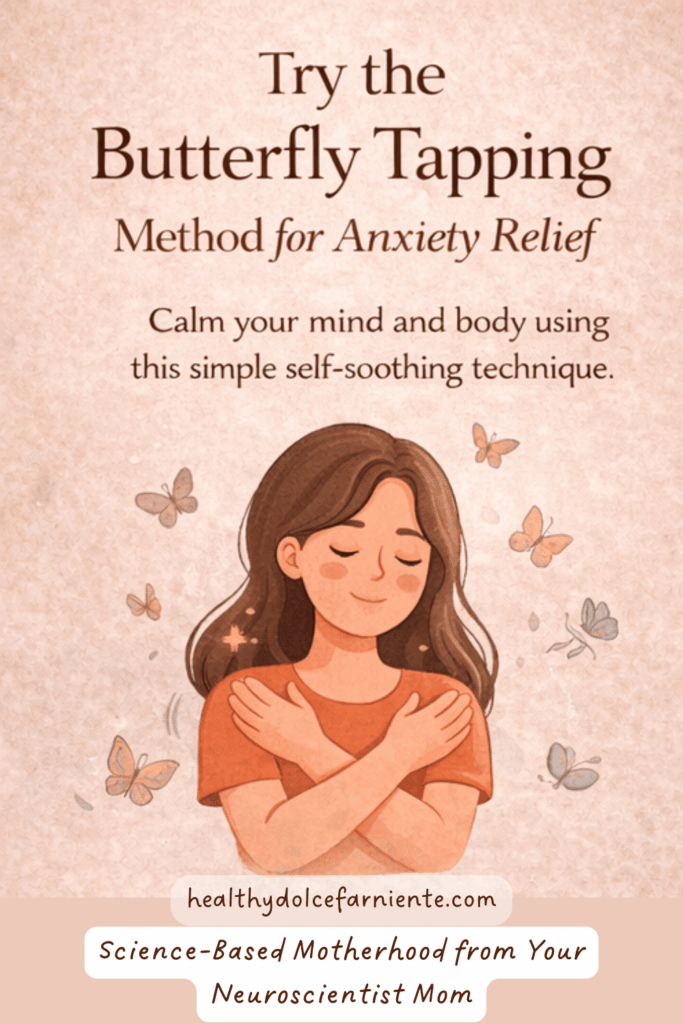
Supporting the nervous system with regular meals, moments of rest, and stress regulation techniques can help bring cortisol levels back into balance.
Why Understanding Hormones Helps Mothers Feel Less Guilty
One of the most important reasons I wanted to write about hormones is this: understanding biology can reduce unnecessary guilt in motherhood.
Many mothers blame themselves when they feel overwhelmed, irritable, anxious, or emotionally drained. They may think they are not patient enough, not organized enough, or simply not “handling motherhood well.”
But the truth is that motherhood is one of the most biologically demanding periods of a woman’s life.
During pregnancy, estrogen and progesterone rise to levels far higher than usual. After birth, these hormones drop rapidly. At the same time, sleep becomes fragmented, the body recovers from childbirth, and the brain adapts to caring for a newborn.
Meanwhile, hormones like serotonin, dopamine, oxytocin, and cortisol are constantly adjusting to new routines, emotional demands, and physical stressors.
Add to this the invisible load of motherhood: planning meals, managing schedules, anticipating needs and the nervous system can easily remain in a prolonged state of alertness.
Understanding these processes helps shift the perspective.
For example:
- If you feel more irritable after a night of poor sleep, your dopamine and cortisol levels may be affected. Make sure you have a protein-rich breakfast, take a walk, and enjoy the sunshine.
- If anxiety increases when you skip meals, blood sugar fluctuations can influence serotonin signaling.
- If you feel calmer after hugging your child or spending quiet time together, oxytocin is likely at play. So, when you start feeling anxious or impatient, add some hugging-time, quiet-time, like reading or just watching something together, while hugging.
These everyday experiences are not random; they reflect how the body works.
When we understand the hormonal and neurological foundations of our emotions, it becomes easier to approach ourselves with compassion rather than criticism.
Supporting the Mother’s Biology
Motherhood is often described as emotional, but it is equally biological. Hormones such as serotonin, dopamine, oxytocin, estrogen, progesterone, and cortisol constantly interact with the nervous system, gut health, sleep patterns, and daily stressors. Together, they shape how mothers feel, think, and respond to the world around them.
Understanding this complex system does not mean we can control every hormonal shift. Life with children will always include unpredictable days, sleepless nights, and moments of overwhelm. But knowledge offers something powerful: awareness.
Nourishing meals, moments of rest, emotional connection, and small pauses throughout the day are not luxuries, they are ways of caring for the body that carries the weight of motherhood. In many ways, this is where the philosophy of Healthy Dolce Far Niente meets neuroscience.
Sometimes the most supportive thing we can do for our hormones, our nervous system, and our emotional well-being is simply to pause for a moment and allow the body to return to balance.
I hope you liked this ultimate hormone guide, motherhood edition, part 1. More to come soon. Let’s support each other on hard days.