With Love, Katie.
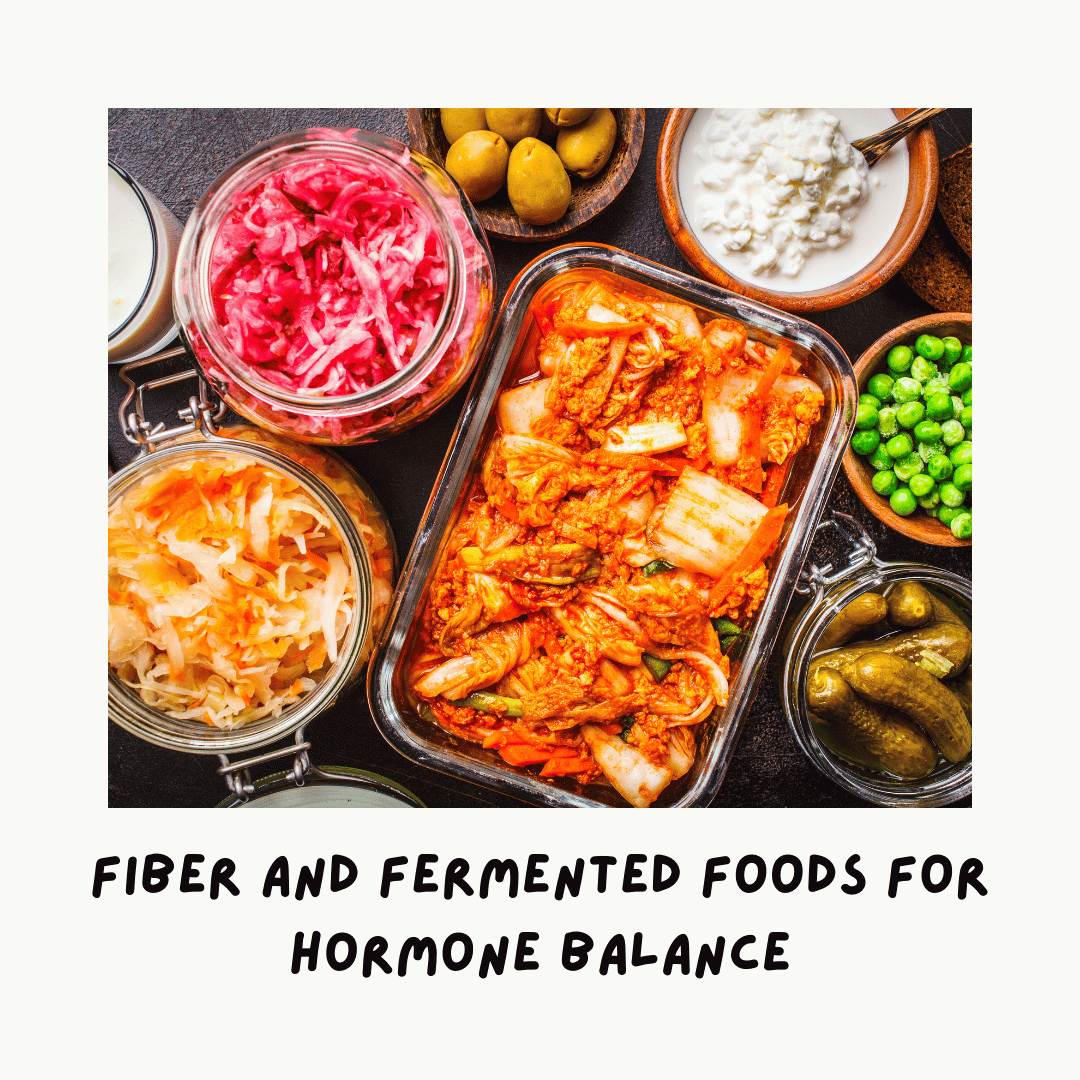

Many mothers experience ongoing exhaustion—not only from lack of sleep, but from constant mental and physical demands. Over time, this can show up as cravings, mood swings, and persistent fatigue. These symptoms are often linked to imbalances in the body, rather than personal failure. Eating foods for hormone balance is a key step toward restoring energy and overall well-being, especially through gut health.
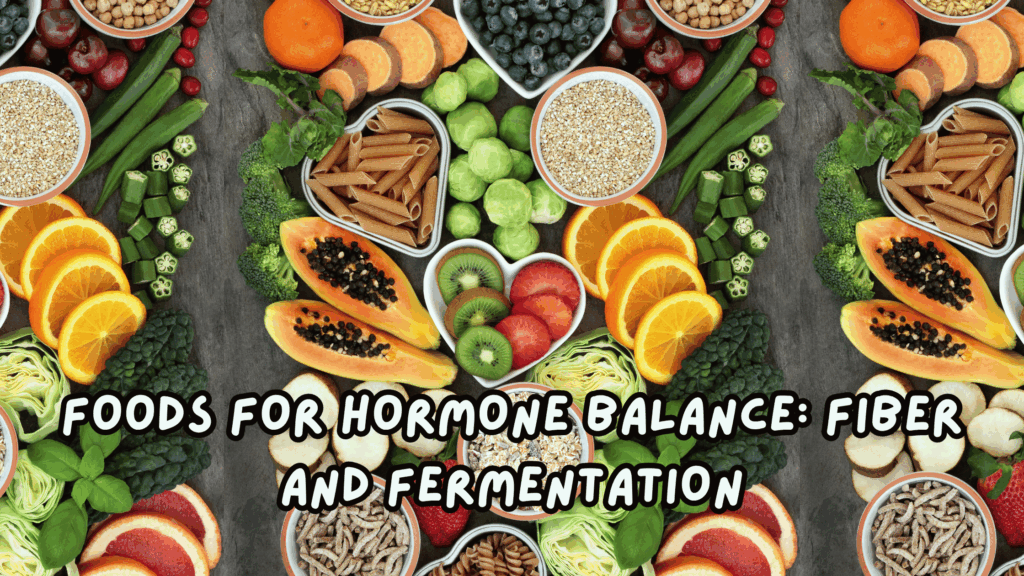
The Gut–Brain Connection
Your gut is not just where food is digested. It’s where communication happens—constantly—between your body and your mind.
At the center of this communication is the vagus nerve (look at how much attention this lady got in the past years), a long, wandering nerve that connects your gut to your brain. It carries signals in both directions, meaning what happens in your gut directly affects how you feel emotionally.
When your gut is supported and calm, the vagus nerve sends signals of safety to your brain. Your body softens. Your breathing slows. You feel more regulated. But when your gut is inflamed or imbalanced, those signals shift.
You may feel:
- More anxious or overwhelmed
- Easily overstimulated
- Mentally foggy or disconnected
- Emotionally reactive
And then there’s serotonin—often called the “feel-good hormone,” although it’s actually a neurotransmitter. What many people don’t realize is that around 90% of serotonin is produced in the gut, not the brain.
This means your gut health directly influences how you feel day to day. When your gut is out of balance, serotonin production can be affected, which may lead to low mood, irritability, anxiety, or that familiar “on edge” feeling many moms experience.
So when your gut health suffers, your mood often follows.
This is why supporting your gut is not just about digestion—it’s about creating a more stable internal environment where you can feel calmer and more resilient.
It supports:
- Emotional stability, helping you feel more even and less reactive
- Stress resilience, so everyday challenges feel more manageable
- Nervous system regulation, allowing your body to shift out of constant “fight or flight”
And for a tired mom, this kind of support isn’t a luxury—it’s truly foundational for feeling like yourself again.
Food and Hormone Connection
Hormones are constantly being created, broken down, and balanced inside your body—and food plays a central role in every step of that process.
Your body relies on specific nutrients to build hormones in the first place. Healthy fats, proteins, vitamins, and minerals all act as the raw materials your endocrine system needs to function properly. Without enough of these, your body simply doesn’t have what it needs to produce hormones in a balanced way.
At the same time, once hormones have done their job, your body needs to clear out the excess. This is where fiber becomes essential. Fiber binds to used hormones—especially estrogen—and helps remove them through digestion, preventing them from being reabsorbed and contributing to imbalance.
And then there’s your gut.
A healthy, balanced gut microbiome helps regulate the processing, activation, and elimination of hormones. When your gut is supported, these processes run smoothly. But when it’s not, hormones can linger in the body longer than they should or become dysregulated.
Without this support, things can start to feel off in ways that are easy to dismiss—but deeply connected.
You might notice irregular cycles that no longer feel predictable. PMS that feels more intense, both physically and emotionally. Energy levels that dip throughout the day, no matter how much you rest. Or sugar cravings that feel almost impossible to ignore, especially when you’re already tired and overwhelmed.
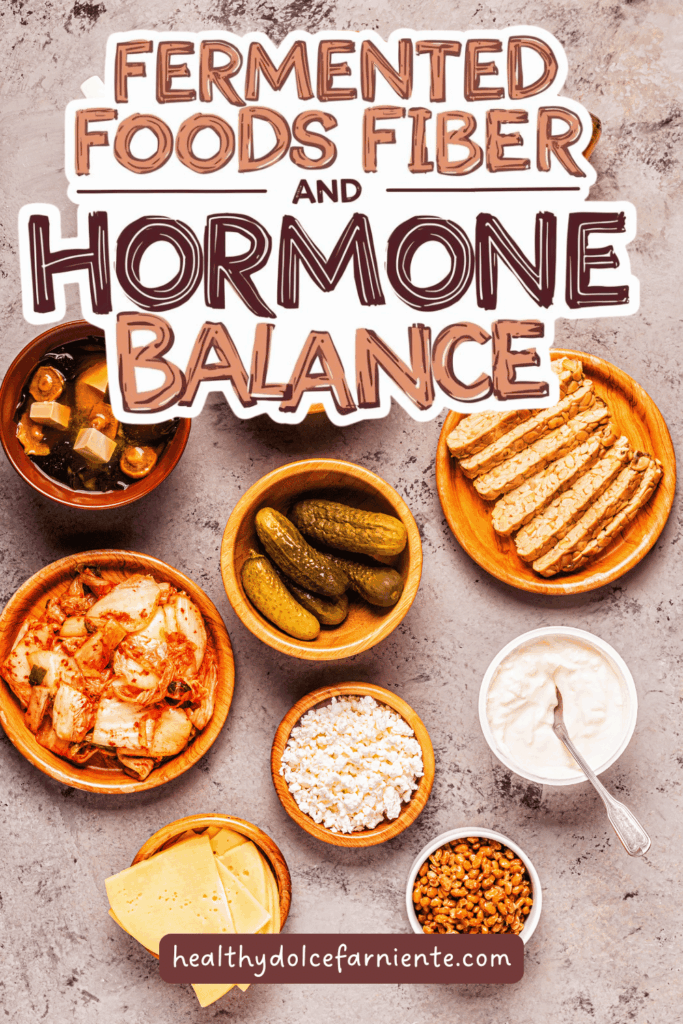
Cycle-syncing and foods
This is also where the idea of cycle-syncing comes in. Throughout your menstrual cycle, your body has different needs. There are phases where you may crave lighter, fresh foods. Others where your body needs warmth, grounding, and more nourishment. Instead of forcing one “perfect” way of eating, hormone balance often comes from responding to these shifts.
Your body moves through four distinct phases each month, each with its own rhythm, hormonal shifts, and nutritional needs. Supporting these phases with the right foods can make a noticeable difference in your energy, mood, and overall hormone balance.
Menstrual Phase (Days 1–5)
During your period, both estrogen and progesterone are at their lowest. Your body is shedding and restoring, so it needs warmth and nourishment.
→ Focus on iron-rich and grounding foods like lentils, leafy greens, soups, and slow-cooked meals to support energy and replenishment.
Follicular Phase (Days 6–14)
Estrogen begins to rise, bringing a sense of lightness and renewed energy. Your body is more sensitive to insulin and responds well to fresh, vibrant foods.
→ This is a great time for fiber-rich vegetables, fermented foods, and lighter meals that support gut health and estrogen balance.
Ovulatory Phase (Around Day 14)
Estrogen peaks, and testosterone rises slightly, often bringing confidence and energy. Your body benefits from foods that support detoxification and hormone metabolism.
→ Think fresh vegetables, leafy greens, and fiber-rich foods that help the body process and eliminate excess hormones.
Luteal Phase (Days 15–28)
Progesterone rises to prepare the body for potential pregnancy, while estrogen gradually declines. This phase often brings increased hunger and a need for more stability.
→ Focus on grounding, fiber-rich carbohydrates, healthy fats, and fermented foods to support blood sugar balance, reduce cravings, and calm the nervous system.
Fermented Foods That Support Hormone Balance
Fermented foods are alive. They carry beneficial bacteria that help restore balance in your gut microbiome—and in doing so, they support your hormones in ways that feel subtle, but deeply impactful.
Here are some of the most supportive ones to gently include in your days:
1. Kefir
A fermented milk drink rich in probiotics, kefir helps increase the diversity of your gut bacteria. This supports better estrogen metabolism and can reduce inflammation in the body.
It’s also easy to digest, even for those sensitive to dairy.
→ Try it in the morning or as a calming afternoon drink.
2. Sauerkraut
Simple, affordable, and powerful.
Sauerkraut supports digestion and helps your body break down and eliminate excess hormones. It also strengthens your gut lining, which is essential for overall hormonal balance.
→ A spoonful alongside lunch is enough.
3. Yogurt (preferably natural, full-fat)
Yogurt provides probiotics along with protein and fat—making it both nourishing and stabilizing for blood sugar.
Stable blood sugar = more stable hormones.
→ Add fruit, seeds, or a drizzle of honey for a simple, supportive meal.
4. Kimchi
Rich in probiotics and also full of flavor, kimchi supports gut diversity and may help reduce inflammation linked to hormonal imbalances.
→ Use small amounts—it’s potent, and a little goes a long way.
5. Fermented Pickles
Not the vinegar-based kind—but naturally fermented ones.
They support digestion and help replenish beneficial bacteria, especially when your gut feels sluggish or heavy.
→ Add to sandwiches, bowls, or simple plates.
Stay consistent and add small amonunts.
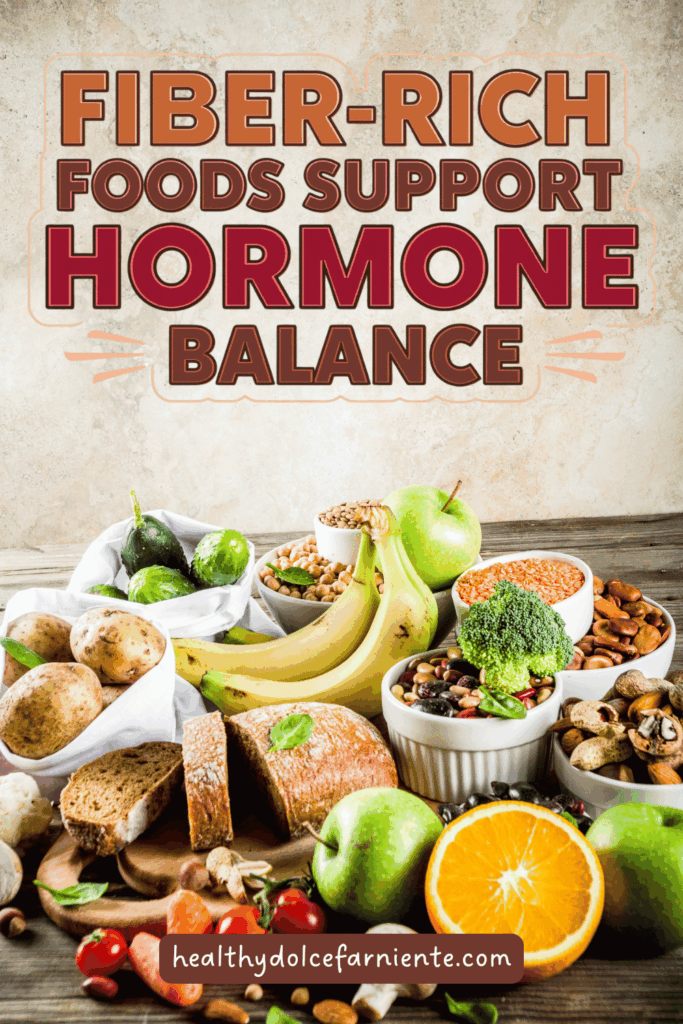
Fiber-Rich Foods That Support Hormone Balance
If fermented foods bring in beneficial bacteria, fiber feeds them. And this is where so many of us fall short—especially when life is busy.
Fiber plays a crucial role in:
- Removing excess estrogen from the body
- Supporting digestion and regularity
- Stabilizing blood sugar
- Reducing inflammation
Here are some of the most supportive, realistic sources:
1. Oats
Comforting, grounding, and rich in soluble fiber, oats help regulate blood sugar and support gut health.
→ A warm bowl in the morning can feel like a reset. You know, I support the always-eggs-in-the-morning theory, but sometimes you can make an exception.
2. Lentils
High in fiber and plant-based protein, lentils support both digestion and hormone production.
→ Add to soups or simple one-pot meals. I literally love lentil soup: make it a creamy soup or a veggie-rich bowl… I am literally a lentil soup girl.
3. Chia Seeds
Small but powerful, chia seeds provide fiber that supports gut health and helps balance blood sugar.
→ Stir into yogurt, oatmeal, or even water.
4. Berries
Naturally sweet and rich in fiber, berries support digestion while also satisfying cravings in a gentle way.
→ Keep them simple—fresh or frozen both work. I add them into my yogurt, but I love them fresh (if my daughters decide to leave me a few):
5. Vegetables (especially carrots, broccoli, leafy greens)
These provide a mix of fibers that support detoxification and hormone balance. Carrots, in particular, are known for helping the body eliminate excess estrogen.
→ Raw, roasted, or added to meals—whatever feels easiest.
How to Gently Add These Into Your Life
This is where many moms feel overwhelmed. It starts to sound like another plan, another thing to manage. But this isn’t about doing everything. Always make a small change, add something small to your plate. These foods for hormone balance not only will help you with your hormones, but will also make you feel better and more energized.
You might:
- Add a spoonful of sauerkraut to your usual lunch
- Swap a quick breakfast for oats a few times a week
- Keep yogurt on hand for an easy, nourishing option
- Roast a tray of vegetables once and use them for days
It doesn’t have to be aesthetic, nor perfect.
Food for Hormone Balance…and more
Balance doesn’t come from doing everything right. It comes from supporting your body consistently, gently, and without pressure.
From choosing foods that:
- Nourish instead of deplete
- Stabilize instead of spike
- Support instead of overwhelm
And maybe most importantly, from letting go of the idea that you need to fix everything at once. As I wrote you above, make only small steps. This way, you will not feel overwhelmed.